
 sales@nydcasting.com
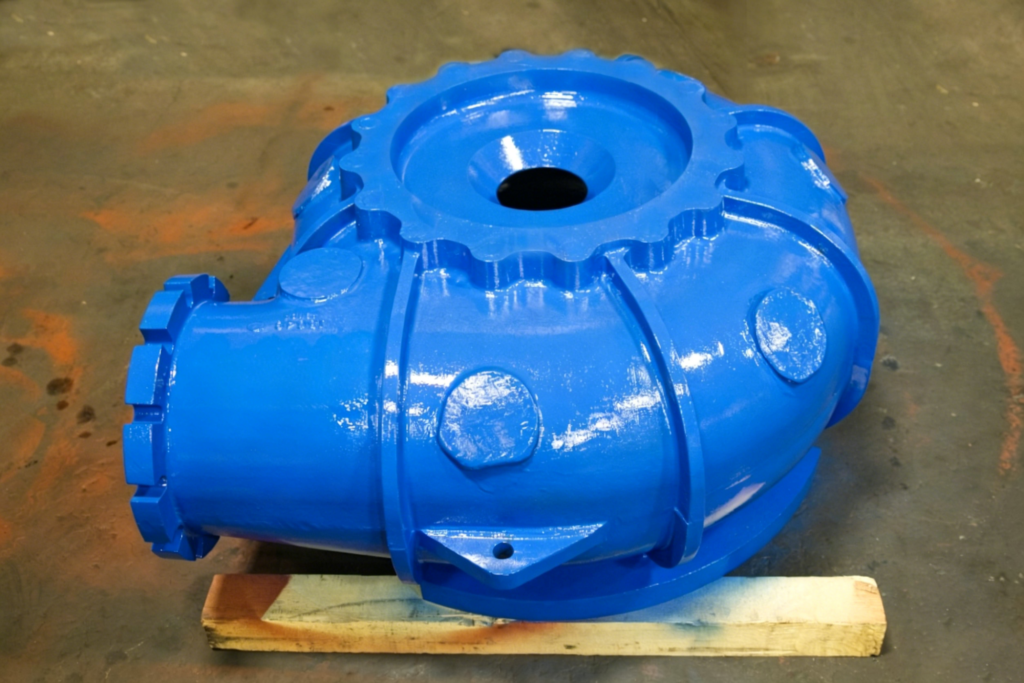
Isn’t a casting just a block of iron?
This is many people’s initial impression of castings.
But when you actually step inside an industrial robot, you’ll discover a fact that will overturn your intuition: the base, waist, and upper and lower arm housings of this precision machine, which costs hundreds of thousands, are most likely made of castings. The rapid expansion of industrial robots is reshaping the global manufacturing landscape.
The International Federation of Robotics (IFR) 2025 World Robotics Report shows that 542,000 new industrial robots were installed globally in 2024, exceeding 500,000 units for the fourth consecutive year, and the global stock of robots in operation now exceeds 4.66 million. Supporting the normal operation of this massive mechanical system, in addition to precision transmission components such as servo motors and reducers, is another type of often overlooked but indispensable basic material—castings.
Castings are far more than just blocks of iron—they are a major part of a robot’s “skeletal system.
” The overall positioning accuracy, service life, and reliability of the robot largely depend on these “invisible” structural components.
Good castings are the result of precise calculations and end-to-end quality control, not just accidental production. With over 60 years of industry experience, KST has accumulated systematic process capabilities in machine tool castings, elevator castings, and automation equipment castings.
For inquiries about customized precision casting solutions, please feel free to contact our technical team.