
未分类

Silica Sol Investment Casting: Shell-Making Technology and Development Requirements of New Silica Sol Binders

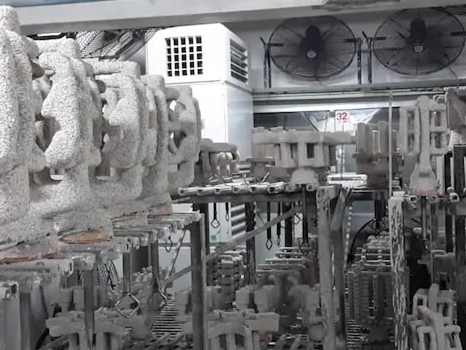
Silica sol investment casting uses fusible patterns and refractory materials to build mould shells. Before pouring molten metal, the patterns are melted out to form cavities for casting. Dating back over 3,000 years, this technique was initially adopted for manufacturing artworks. During World War II, driven by demand from the military industry, companies in the […]
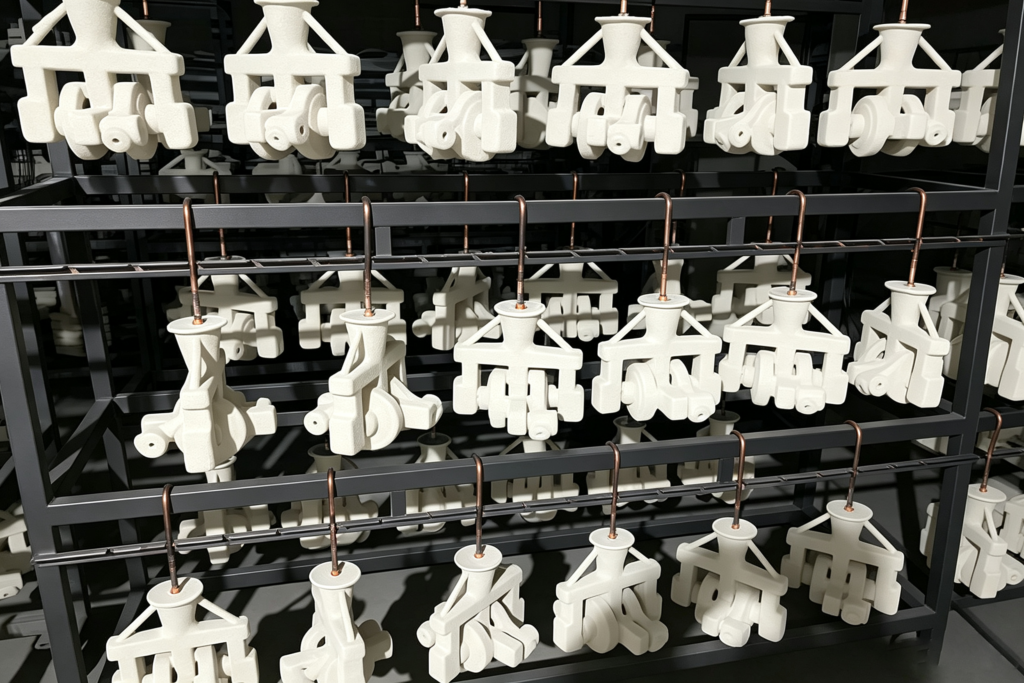
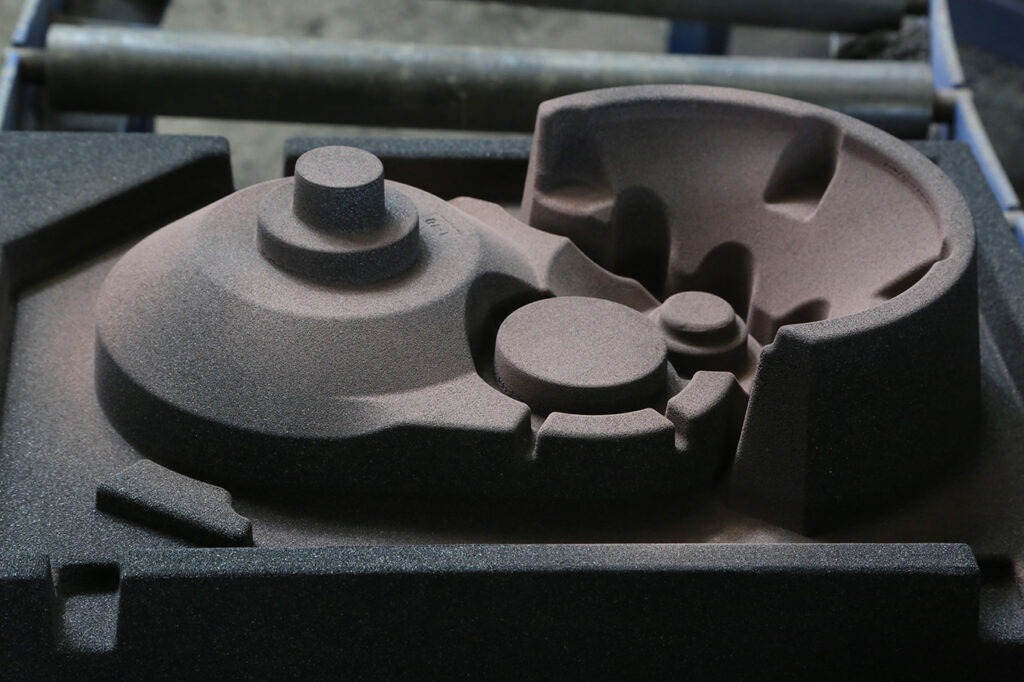
Silica Sol Investment Casting: Shell-Making Technology and Development Requirements of New Silica Sol Binders Read More »

How is cast iron made

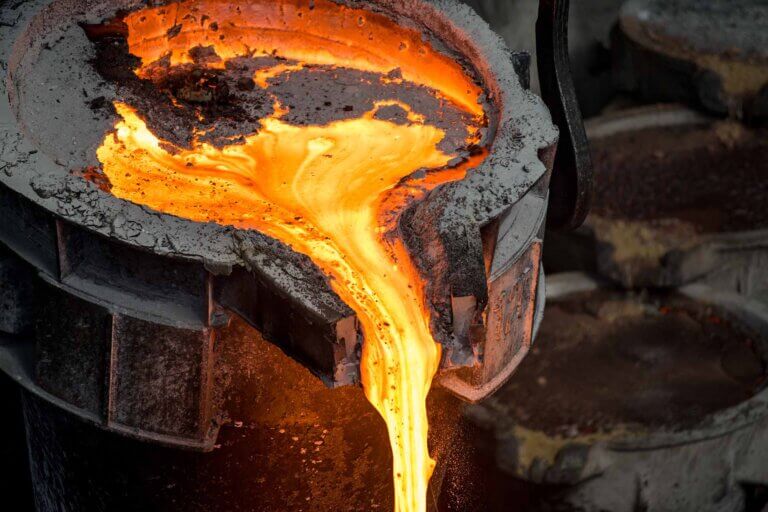
​ The production of cast iron parts essentially boils down to three steps: Melting iron into liquid → Pouring the liquid into a mold → Cooling to form the shape All other processes revolve around the precise control of these three steps. I. Molding—”Drawing” the shape for the molten iron A wooden or metal pattern—identical

How is cast iron made Read More »

What is sand casting?

The term “sand casting” refers to both the final product and the manufacturing process itself. It is a metal casting method performed in foundries and ranks among the oldest such processes. In this technique, sand serves as the mold material. Sand casting is a widely used process that employs a mixture of sand and a

What is sand casting? Read More »

What is Ductile Iron?

What is Ductile Iron? Ductile cast iron is a high-strength cast iron material. It achieves a leap in mechanical properties by adding specific alloying elements (spheroidizing agents and inoculants) to ordinary gray cast iron, optimizing the morphology and distribution of internal graphite. It combines the corrosion resistance and castability of cast iron with the strength

What is Ductile Iron? Read More »

Sectioning at Different Locations

Understanding Internal Conditions of Iron Castings Through Sectioning at Different Locations

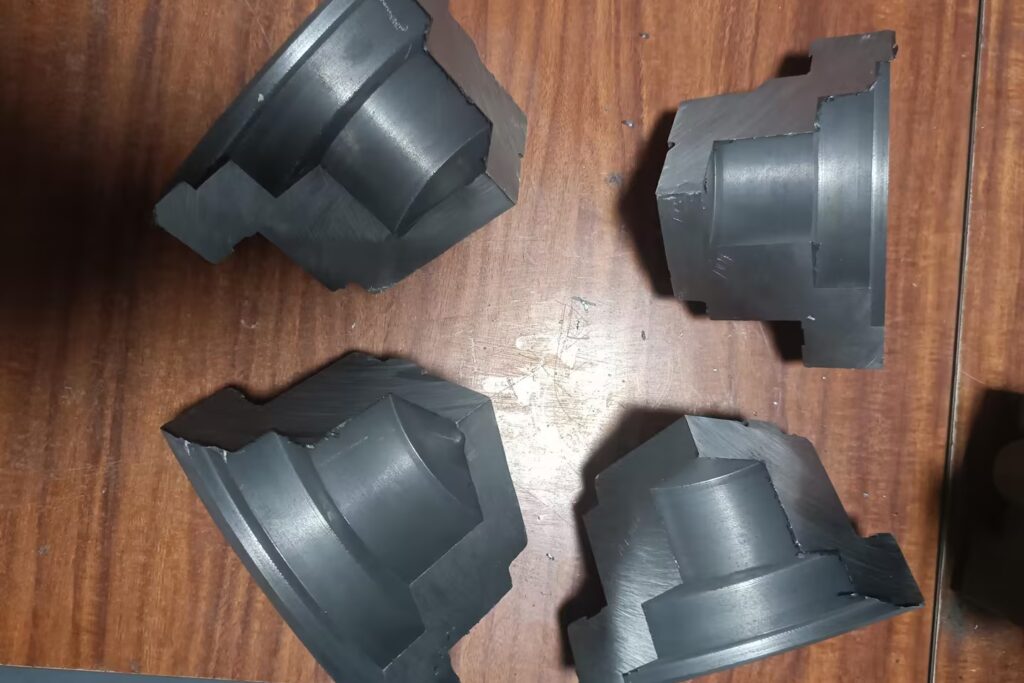
In iron casting production, evaluating internal quality is just as important as inspecting the external geometry. Although castings may appear smooth and uniform on the outside, internal defects such as porosity, shrinkage cavities, inclusions, cold shuts, and microstructural inconsistencies can significantly affect their mechanical performance. One of the most direct and reliable evaluation methods is

Understanding Internal Conditions of Iron Castings Through Sectioning at Different Locations Read More »