
未分类

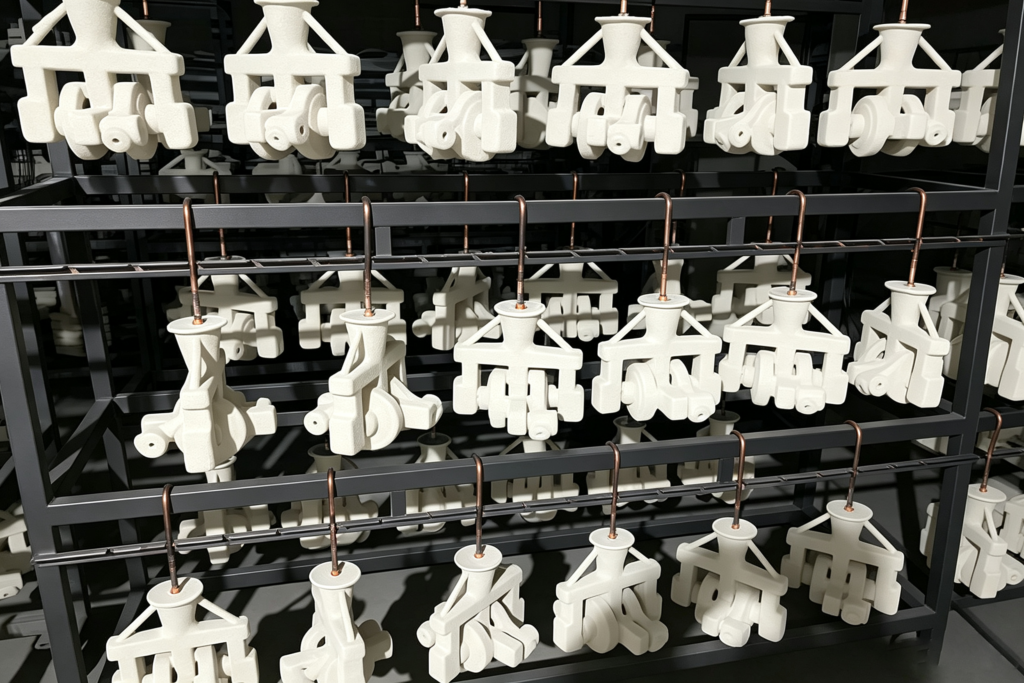
Fundición a la cera perdida por sol de sílice: tecnología de fabricación de moldes y requisitos de desarrollo de nuevos aglutinantes de sol de sílice

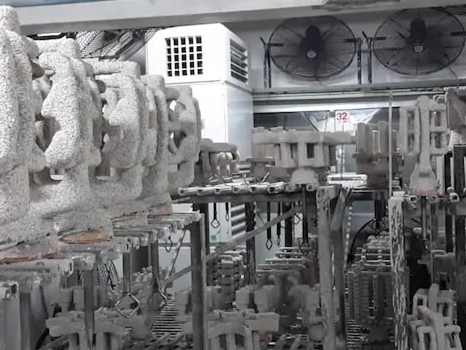
La fundición a la cera perdida con sol de sílice utiliza modelos fusibles y materiales refractarios para construir moldes de cáscara. Antes de verter el metal fundido, los modelos se funden para formar cavidades para la fundición. Con una antigüedad de más de 3.000 años, esta técnica se adoptó inicialmente para la fabricación de obras de arte. Durante la Segunda Guerra Mundial, impulsadas por la demanda de la industria militar, las empresas en el […]
Fundición a la cera perdida por sol de sílice: tecnología de fabricación de moldes y requisitos de desarrollo de nuevos aglutinantes de sol de sílice Leer más »

How is cast iron made

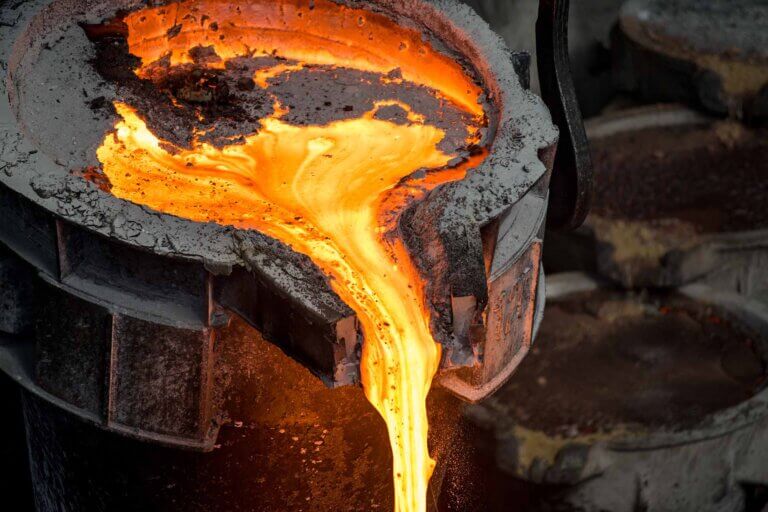
​ The production of cast iron parts essentially boils down to three steps: Melting iron into liquid → Pouring the liquid into a mold → Cooling to form the shape All other processes revolve around the precise control of these three steps. I. Molding—”Drawing” the shape for the molten iron A wooden or metal pattern—identical

How is cast iron made Leer más »

What is sand casting?

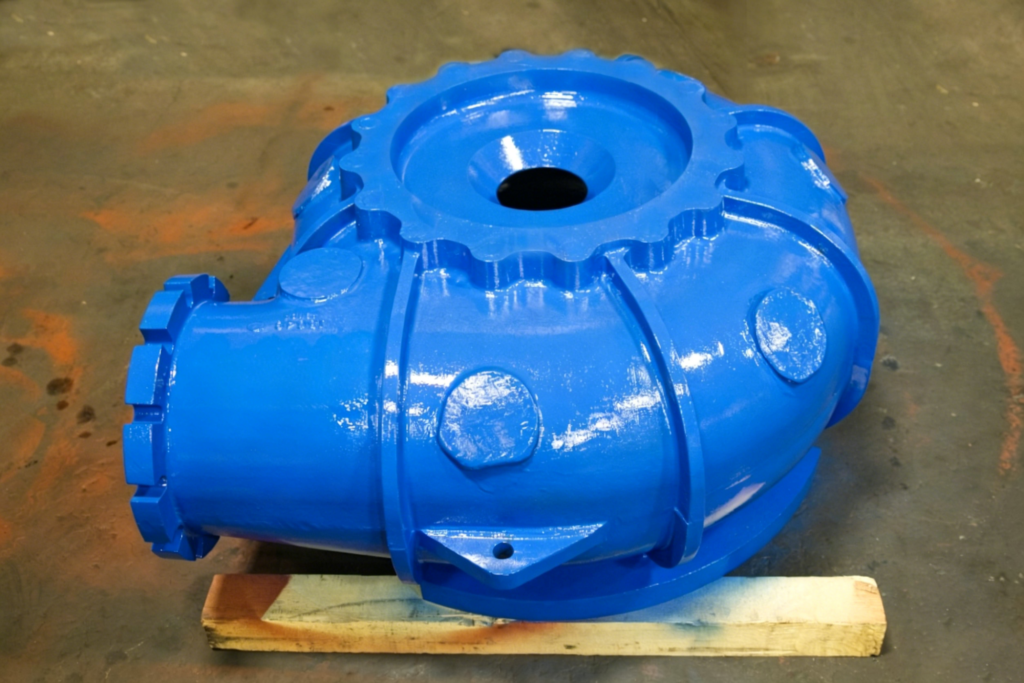
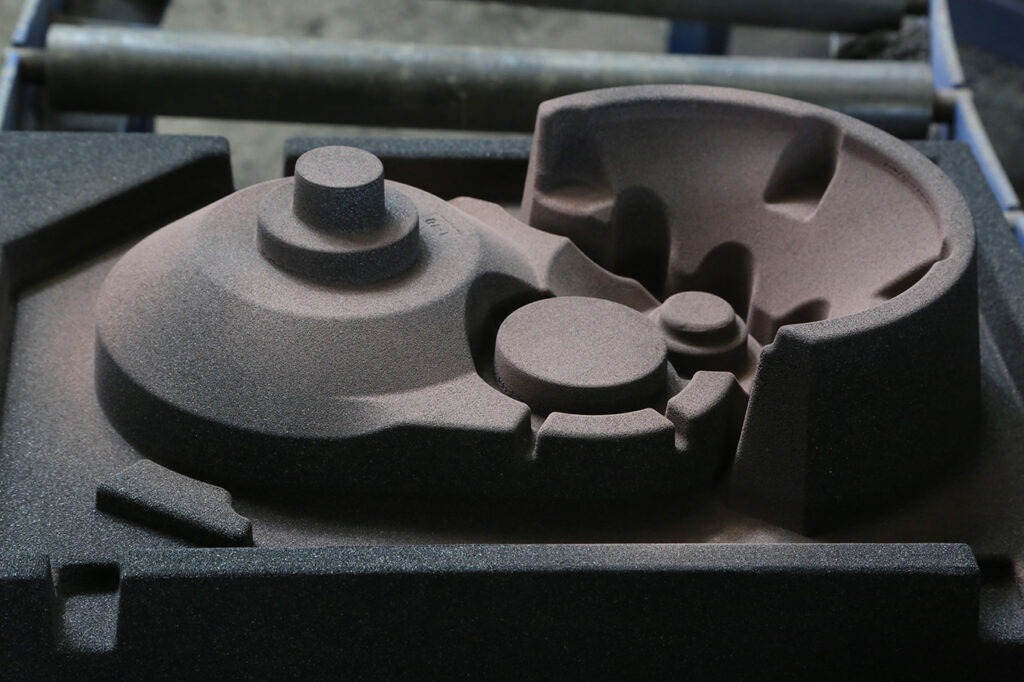
The term “sand casting” refers to both the final product and the manufacturing process itself. It is a metal casting method performed in foundries and ranks among the oldest such processes. In this technique, sand serves as the mold material. Sand casting is a widely used process that employs a mixture of sand and a

What is sand casting? Leer más »

¿Qué es el hierro dúctil?

What is Ductile Iron? Ductile cast iron is a high-strength cast iron material. It achieves a leap in mechanical properties by adding specific alloying elements (spheroidizing agents and inoculants) to ordinary gray cast iron, optimizing the morphology and distribution of internal graphite. It combines the corrosion resistance and castability of cast iron with the strength

¿Qué es el hierro dúctil? Leer más »

Sectioning at Different Locations

Understanding Internal Conditions of Iron Castings Through Sectioning at Different Locations

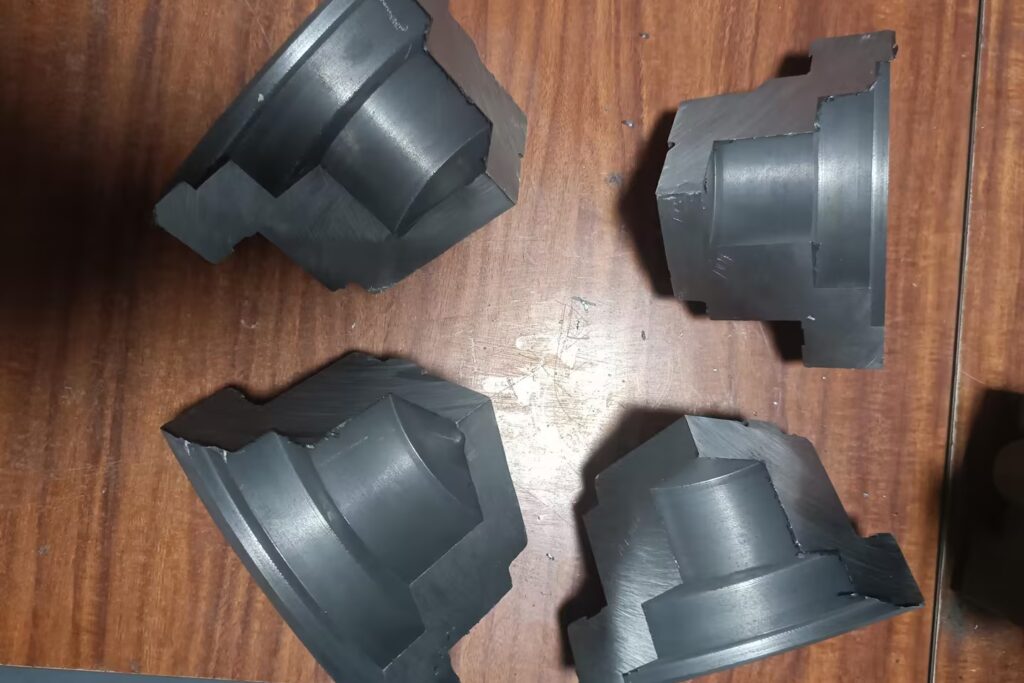
In iron casting production, evaluating internal quality is just as important as inspecting the external geometry. Although castings may appear smooth and uniform on the outside, internal defects such as porosity, shrinkage cavities, inclusions, cold shuts, and microstructural inconsistencies can significantly affect their mechanical performance. One of the most direct and reliable evaluation methods is

Understanding Internal Conditions of Iron Castings Through Sectioning at Different Locations Leer más »