
Shell Casting Process
We provide custom shell castings for pumps, valves and industrial machinery. Resin-coated sand is cured against heated metal patterns to form rigid molds, helping achieve consistent dimensions and a smooth as-cast finish. Send us your drawings to discuss material selection, machining and inspection requirements.
Materials for Shell Casting
Material selection depends on the component’s strength, toughness, wear resistance and operating conditions. The following grades provide a reference for discussing your project requirements.Material availability, applicable standards and heat treatment requirements are confirmed during project review.
| Material | GB Grade | Key Characteristics | Typical Applications | |||||
| Grey Iron | HT200 | Good machinability and vibration damping for general machinery components. | Pump housings, covers and machinery bases. | |||||
| Grey Iron | HT250 | Higher strength than HT200, with good wear resistance and vibration damping. | Valve bodies, cylinder blocks and machinery housings. | |||||
| Grey Iron | HT300 | Higher strength and wear resistance for more demanding loads. | Spindle housings, gear blanks and heavy machinery components. | |||||
| Ductile Iron | QT400-18 | High ductility and good toughness. | Valve bodies, support brackets and agricultural machinery parts. | |||||
| Ductile Iron | QT450-10 | A balance of strength, ductility and machinability. | Housings, brackets and linkage components. | |||||
| Ductile Iron | QT500-7 | Increased strength while retaining useful ductility. | Gear blanks, flywheels and machinery supports. | |||||
| Ductile Iron | QT600-3 | Higher strength and wear resistance, with lower ductility. | Crankshafts, gears and industrial rollers. | |||||
| Carbon Steel | ZG230-450 | Good toughness and ductility for general structural applications. | Support brackets, bearing housings and machinery supports. | |||||
| Carbon Steel | ZG270-500 | Higher strength for components carrying greater mechanical loads. | Coupling components, wheel blanks and structural castings. | |||||
| Carbon Steel | ZG310-570 | Greater strength for highly loaded components; properties depend on heat treatment. | Gear blanks, drive components and heavy machinery parts. |
Advantages of Shell Casting
Shell casting combines rigid sand molds with reusable metal patterns to support consistent production and reduce finishing work on suitable components.
Consistent Dimensions
Shell casting uses precise metal models and rigid shell molds to help control casting dimensions and reduce differences between parts.

Smooth Surface Finish
Fine resin-coated sand produces a smooth mold surface, helping improve the finish and definition of cast features.

Simple process
Closer control of the casting shape can reduce machining stock and material removal, depending on the drawing requirements.

Repeatable Production
Reusable metal patterns support repeated mold making, making the process suitable for recurring orders and batch production.
Shell Casting Examples
Typical applications include pump and valve components, transmission housings and machinery support where dimensional consistency and surface quality are important.
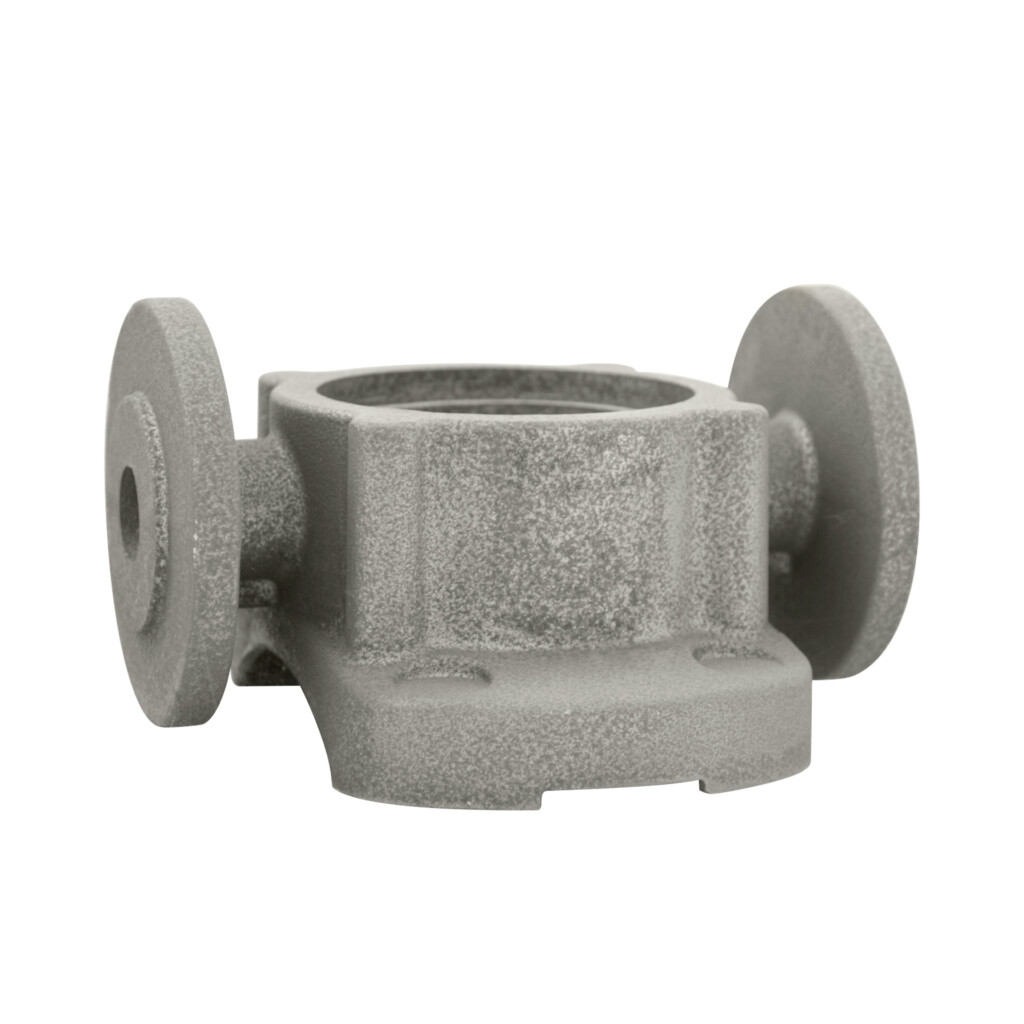
Sample01
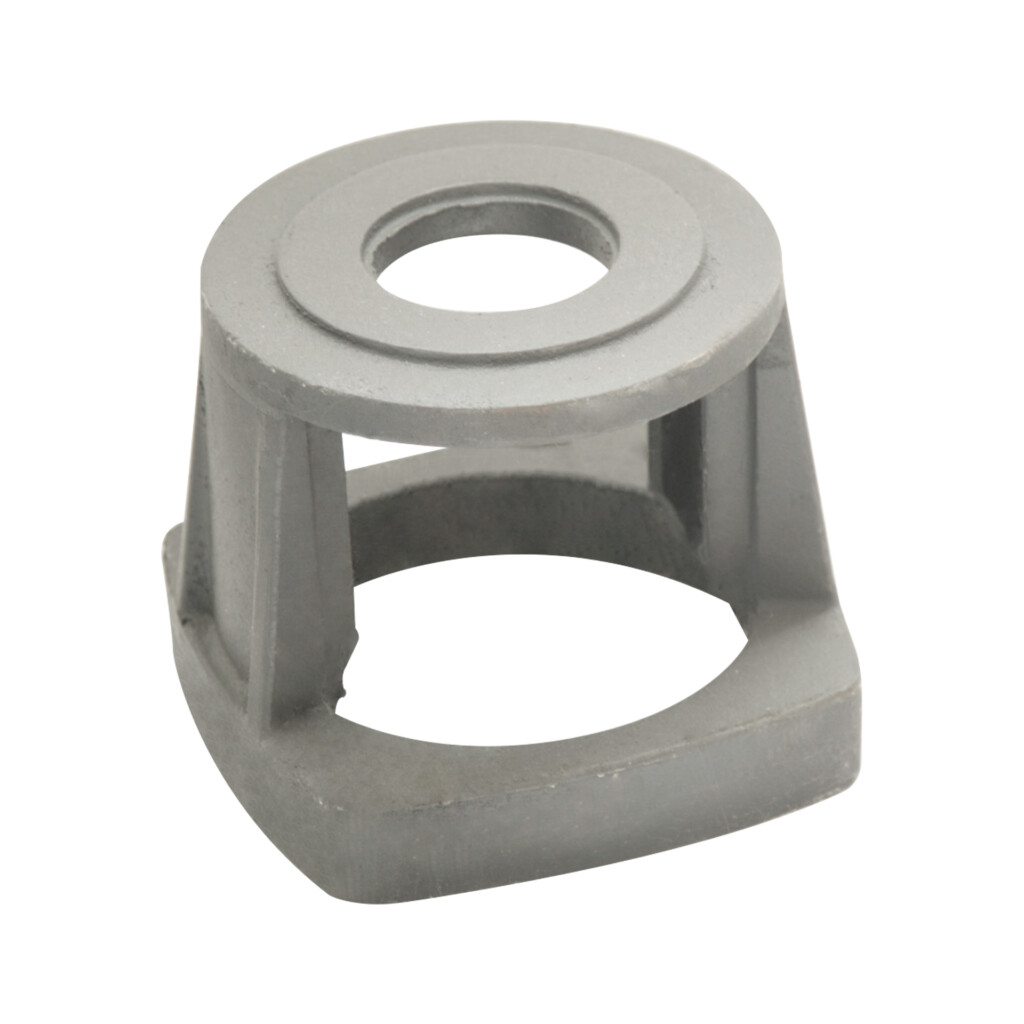
Sample02
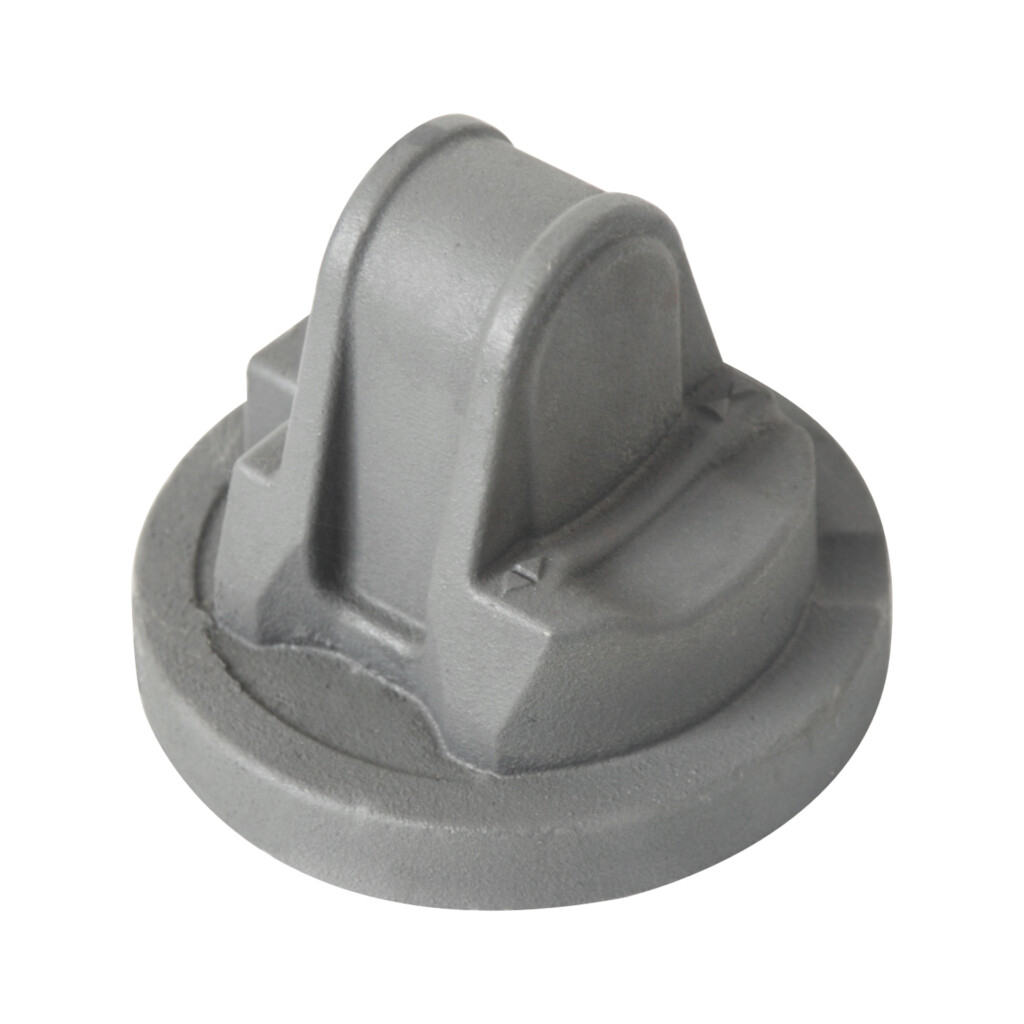
Sample03
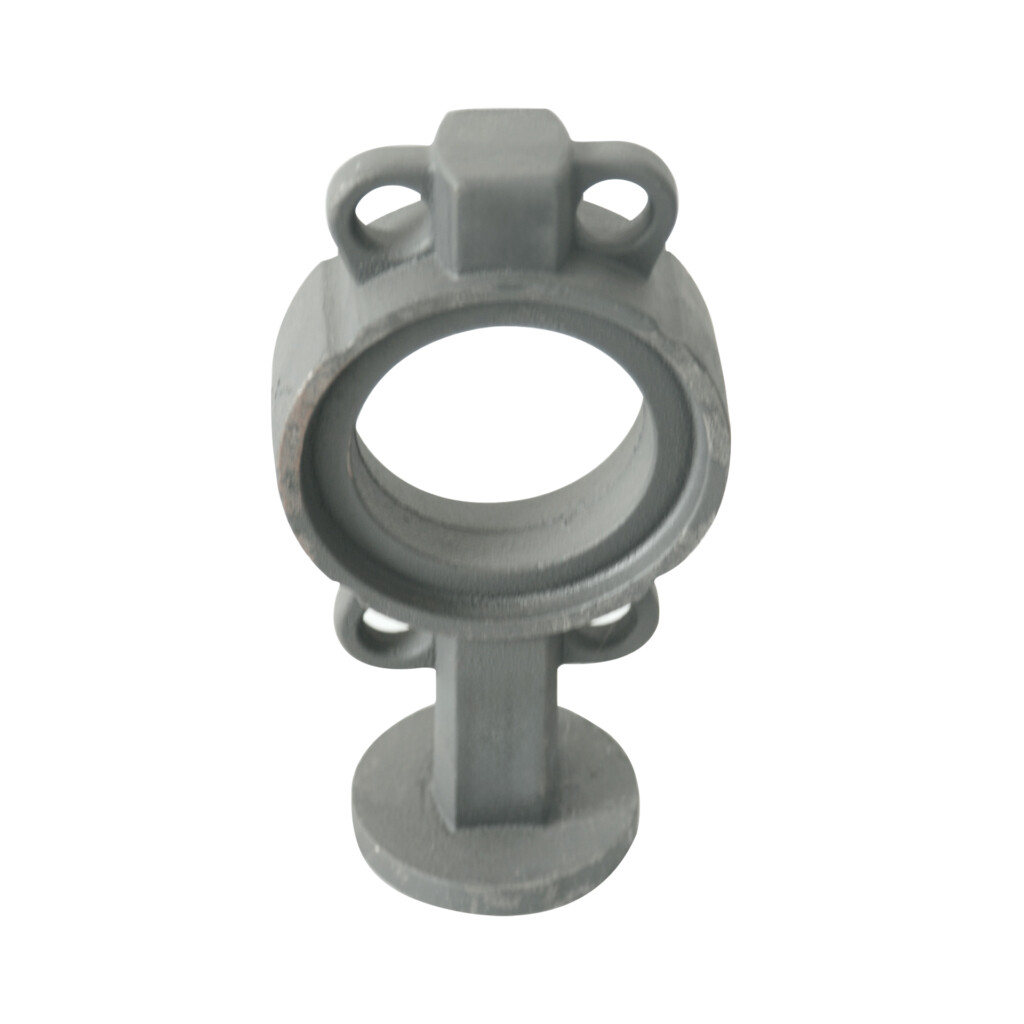
Sample04
Shell Casting Process & Quality Control
Production begins with a review of the drawing, material and inspection requirements. The main casting stages are outlined below, with heat treatment and machining included where specified.
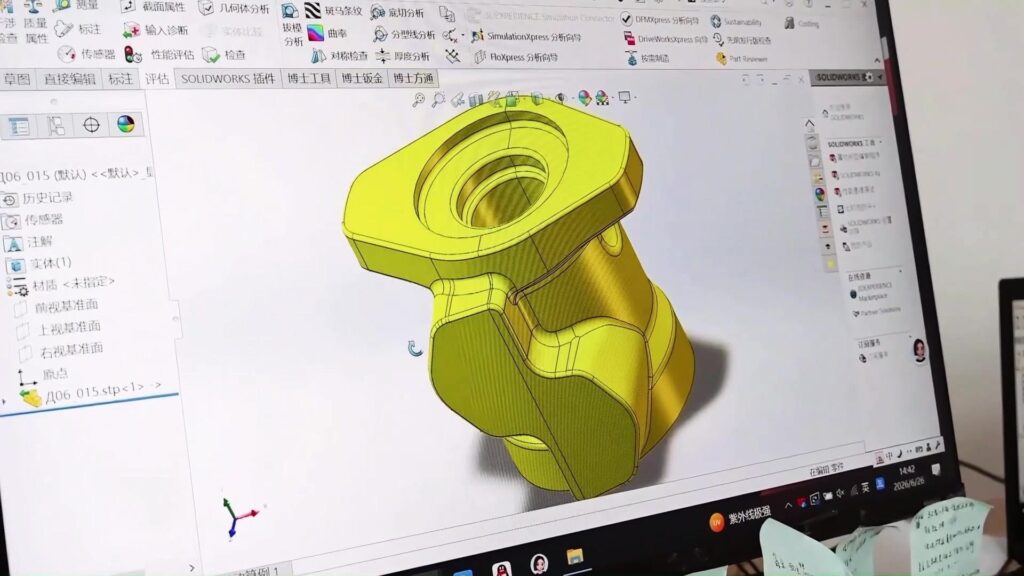
CAD Design
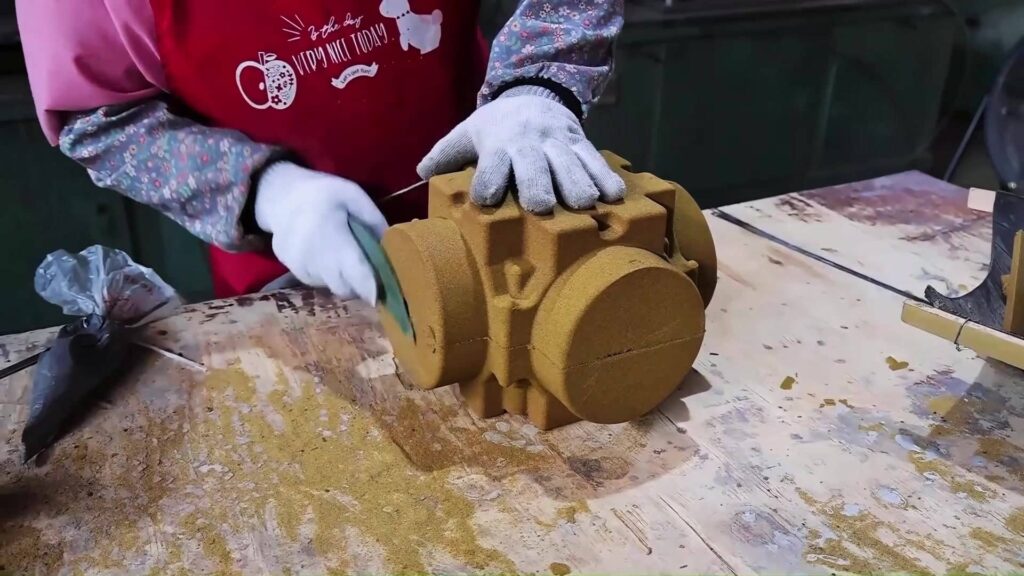
Mold manufacturing
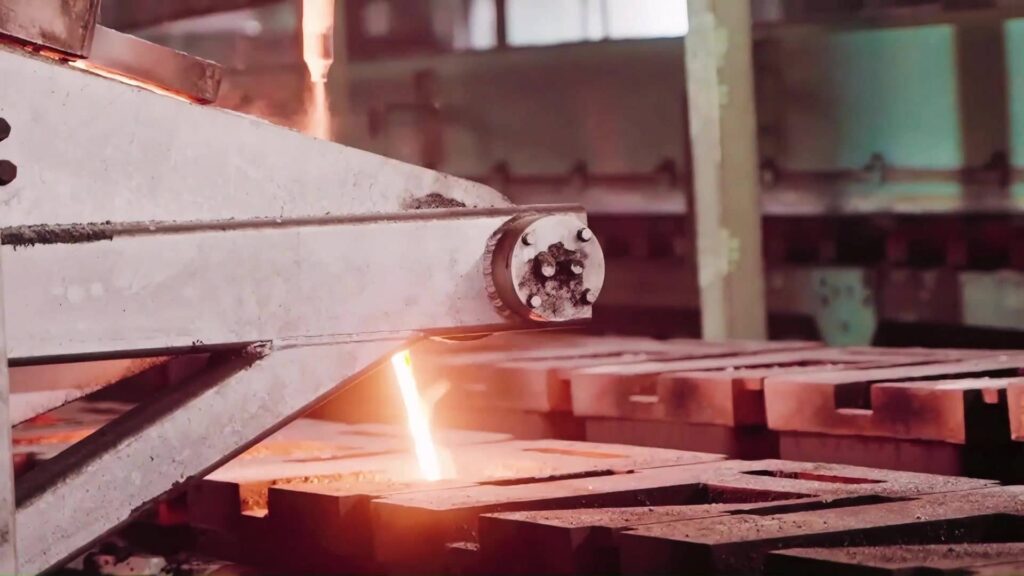
Pouring
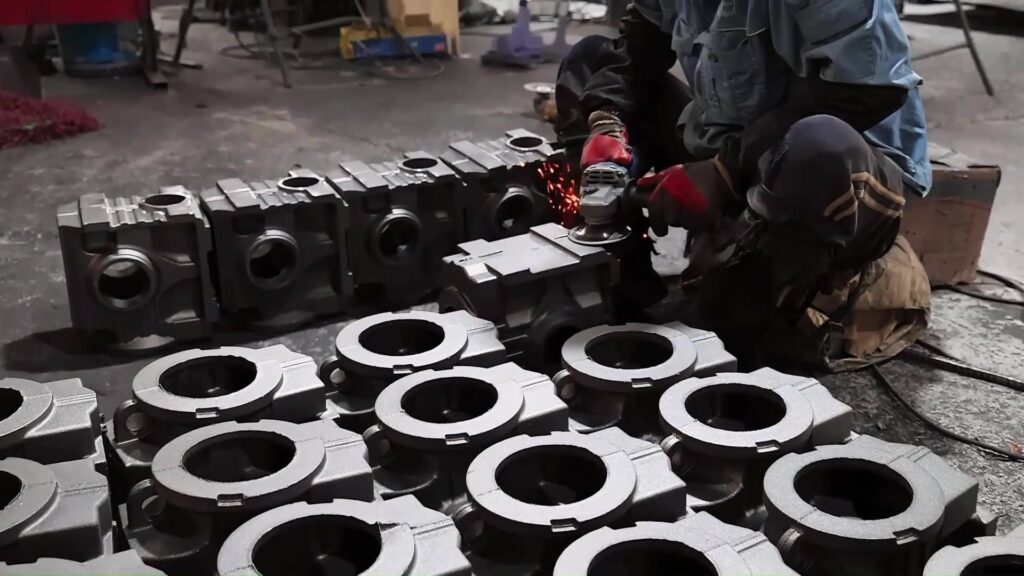
Fettling & Grinding
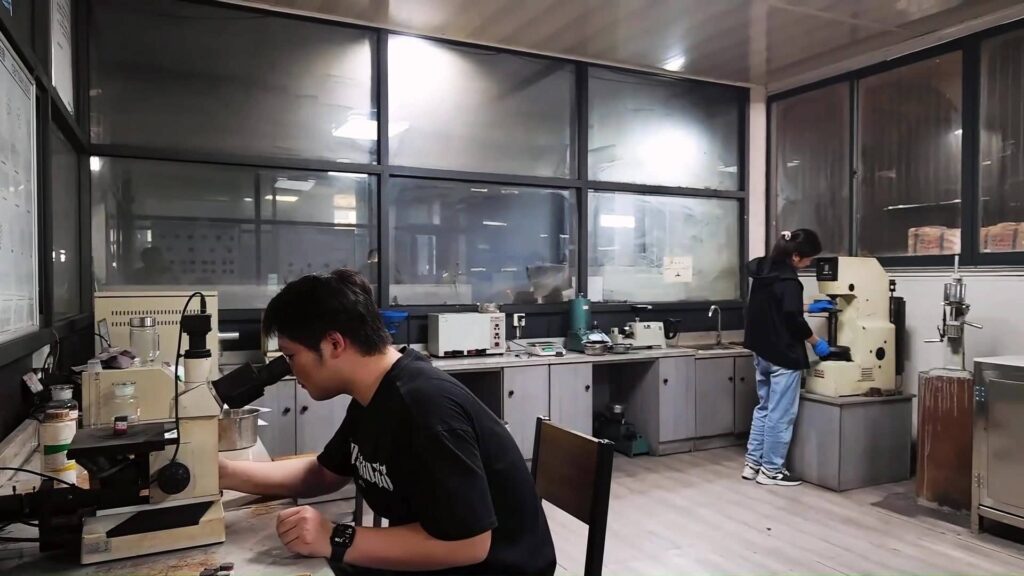
Inspection
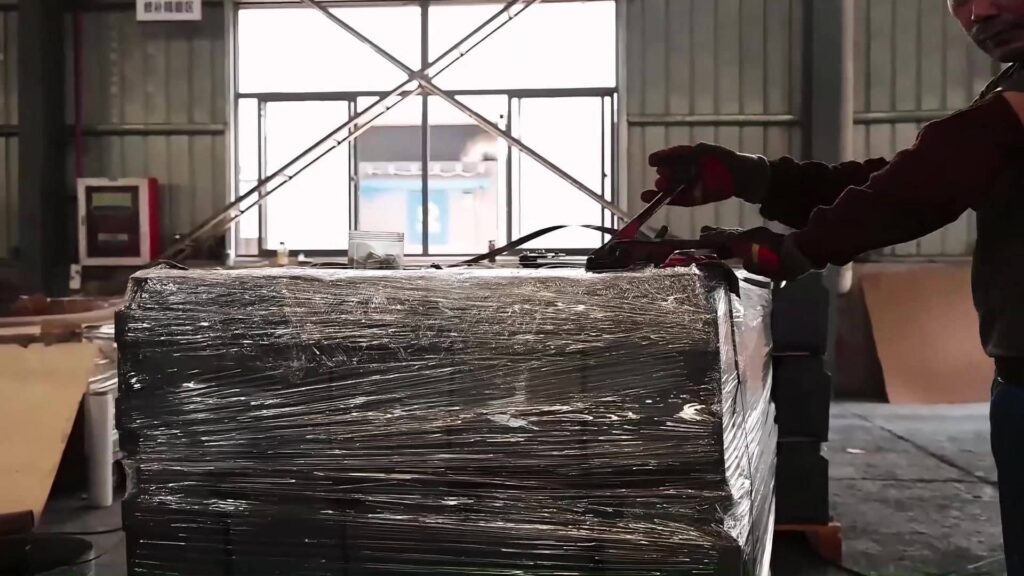
Packing
Casting Inspection & Testing
Our inspection capabilities include tensile strength, yield strength, elongation and hardness testing, as well as chemical composition analysis and non-destructive testing. Tests are conducted according to material specifications, product drawings and customer requirements to verify material properties and casting quality.
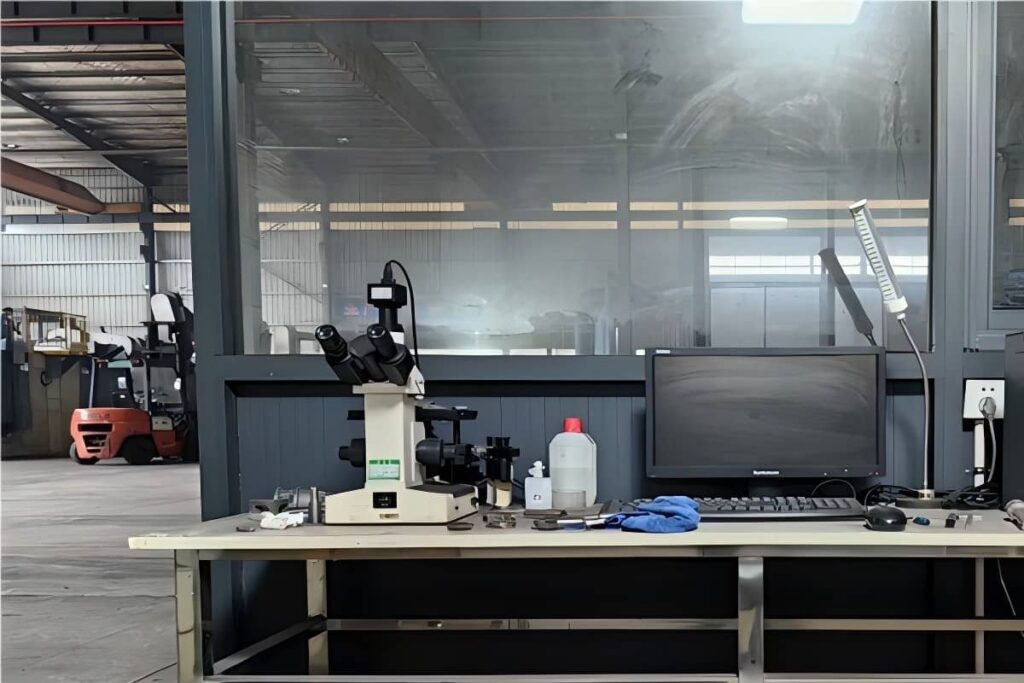
Metallurgical microscope
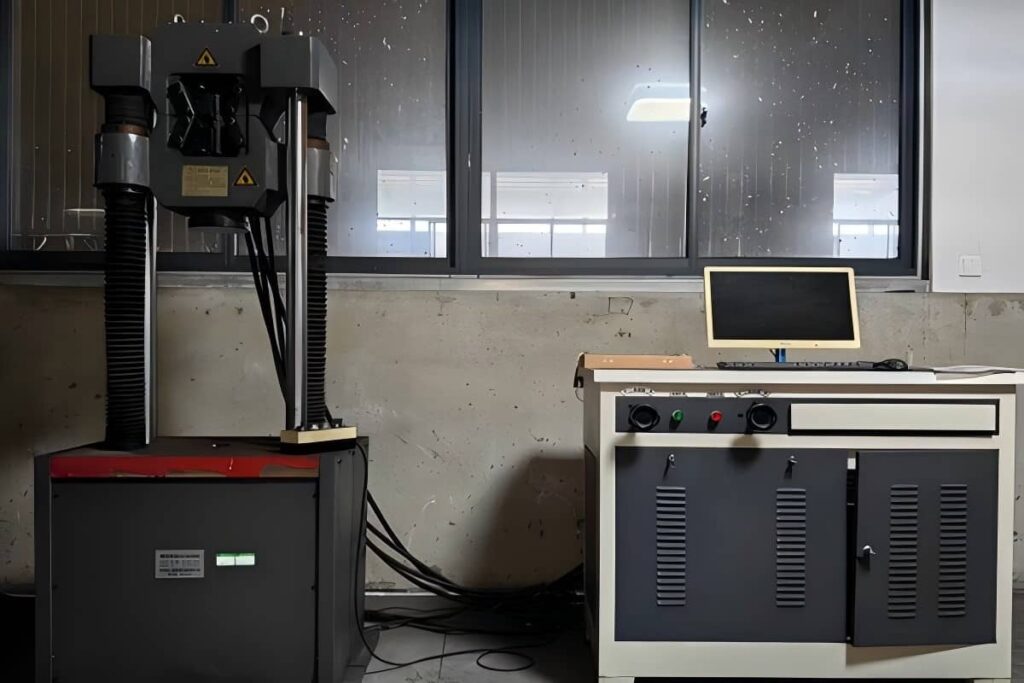
Tensile tester
Have questions about castings? Our engineers will answer them for you.
SR Foundry is committed to providing practical casting solutions for every customer, helping them transform drawings into reality. If you have any questions about casting processes or materials, please contact our staff, and we will respond promptly.
Shell Casting FAQs
How does shell casting differ from conventional sand casting?
Shell casting is a sand casting process that uses thin, heat-cured shells made from resin-coated sand. Compared with conventional green sand molding, it can provide closer dimensional control and a smoother as-cast surface, depending on the component and process conditions.
Can shell casting produce internal cavities?
Yes. Cores can be placed inside the shell mold to form internal passages and cavities. Feasibility depends on the geometry, wall thickness and the ability to position and remove the cores.
Is shell casting suitable for batch production?
Yes. Reusable metal patterns make the process suitable for repeated production. Its economic suitability depends on the tooling investment, order quantity, component design and potential savings in machining and finishing.
What information do you need for a quotation?
Please provide your drawings, material grade, order quantity and any machining or surface treatment requirements. Critical tolerances, inspection requirements and your target delivery date will also help us prepare an accurate quotation.
Start Your Project Today