Investment Casting Process
Investment casting, also known as lost wax casting, produces detailed metal components using wax patterns and ceramic molds. We provide custom castings for pumps, valves and industrial machinery, with complex shapes, smooth surfaces and reduced machining allowances. Send us your drawings to discuss material selection, production and inspection requirements.
Materials for Investment Casting
Material selection depends on the component’s mechanical loads, operating environment and finishing requirements. The following grades provide a starting point for discussing your project.
| Material | GB Grade | Key Characteristics | Typical Applications | |||||
| Carbon Steel | ZG230-450 | Good toughness and ductility for general structural applications. | Machinery brackets, support components and connecting parts. | |||||
| Carbon Steel | ZG270-500 | Higher strength for components carrying greater mechanical loads. | Coupling components, levers and machinery supports. | |||||
| Carbon Steel | ZG310-570 | Greater strength for highly loaded parts; properties depend on heat treatment. | Gear blanks, drive components and mechanical connectors. | |||||
| Alloy Steel | ZG20SiMn | Silicon-manganese alloy steel offering a balance of strength and toughness. | Linkage components, brackets and load-bearing machinery parts. | |||||
| Alloy Steel | ZG35CrMo | Heat-treatable chromium-molybdenum steel for demanding mechanical loads. | Gear blanks, drive components and highly loaded machinery parts. | |||||
| Stainless Steel | ZG08Cr18Ni9 | General-purpose corrosion resistance for suitable industrial environments. | Valve components, pump parts and pipe fittings. | |||||
| Stainless Steel | ZG03Cr18Ni10 | Low-carbon grade with reduced susceptibility to intergranular corrosion after welding. | Welded fittings, valve components and fluid-handling parts. | |||||
| Stainless Steel | ZG08Cr18Ni12Mo2 | Molybdenum-bearing grade offering improved corrosion resistance in suitable process environments. | Pump impellers, valve bodies and process equipment components. | |||||
| Stainless Steel | ZG03Cr18Ni12Mo2 | Low carbon and added molybdenum for corrosion resistance in welded components. | Process piping fittings, pump components and valve parts. |
Advantages of Investment Casting
Investment casting offers design flexibility for detailed components, helping combine complex features with a smooth surface finish and reduced machining requirements.

Complex Geometries
Wax patterns allow intricate contours and multiple features to be incorporated into a single casting, reducing the need for separate components.

Dimensional Control
Accurate patterns and controlled ceramic shell production help reproduce detailed features and maintain consistent casting dimensions.

Smooth Surface Finish
Smooth wax patterns and fine ceramic face coats help produce clean surfaces and clearly defined casting details.

Reduced Machining
Casting close to the finished shape can reduce material removal, while critical surfaces are machined to meet the drawing requirements.
Investment Casting Examples
Typical applications include fluid-handling components, mechanical linkages and fittings that benefit from detailed geometry and consistent casting quality.
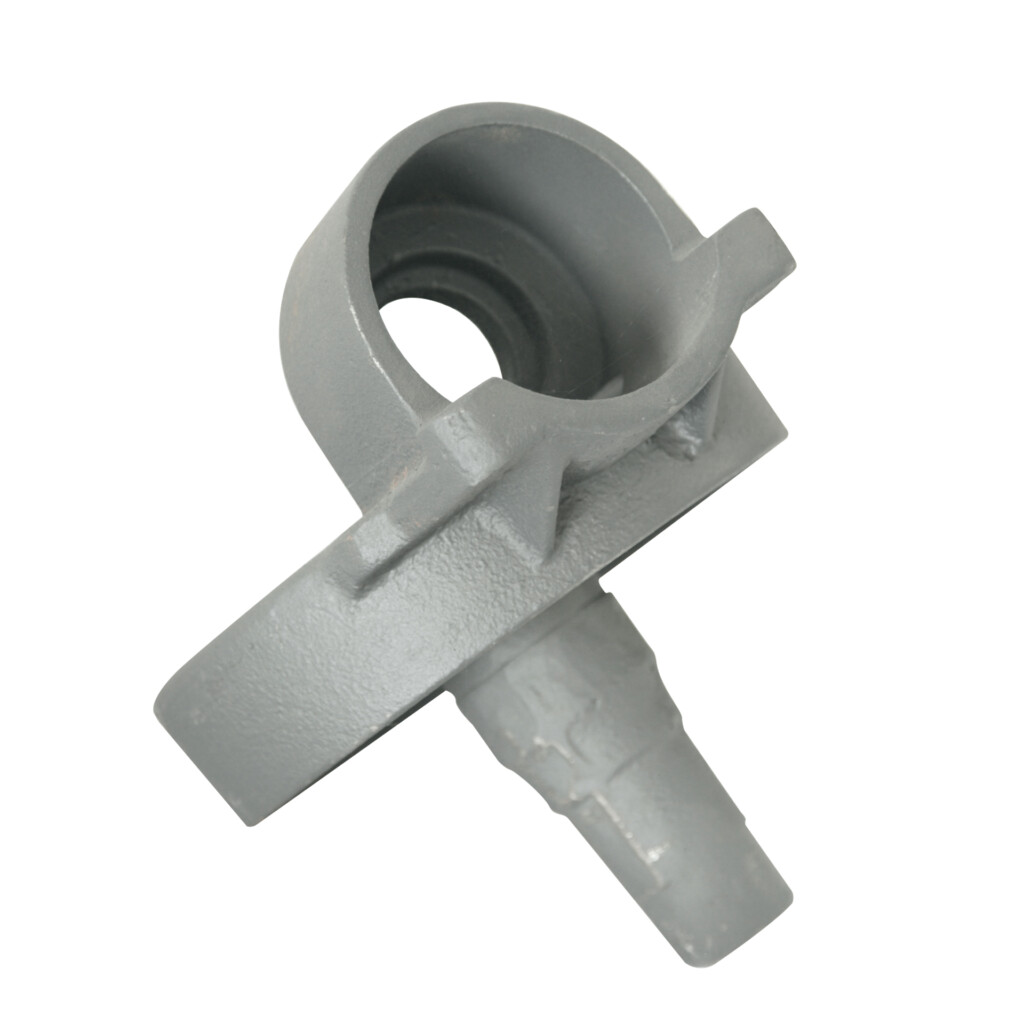
Sample01
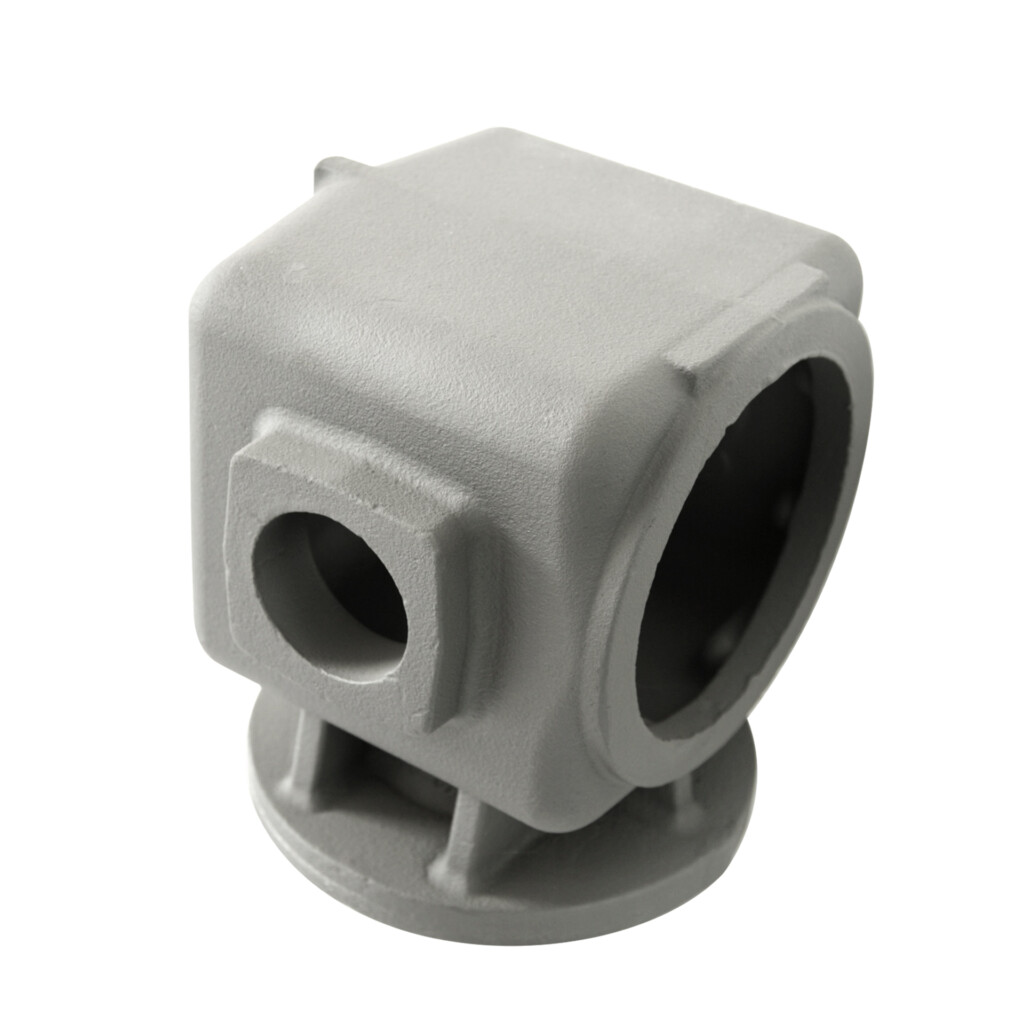
Sample02
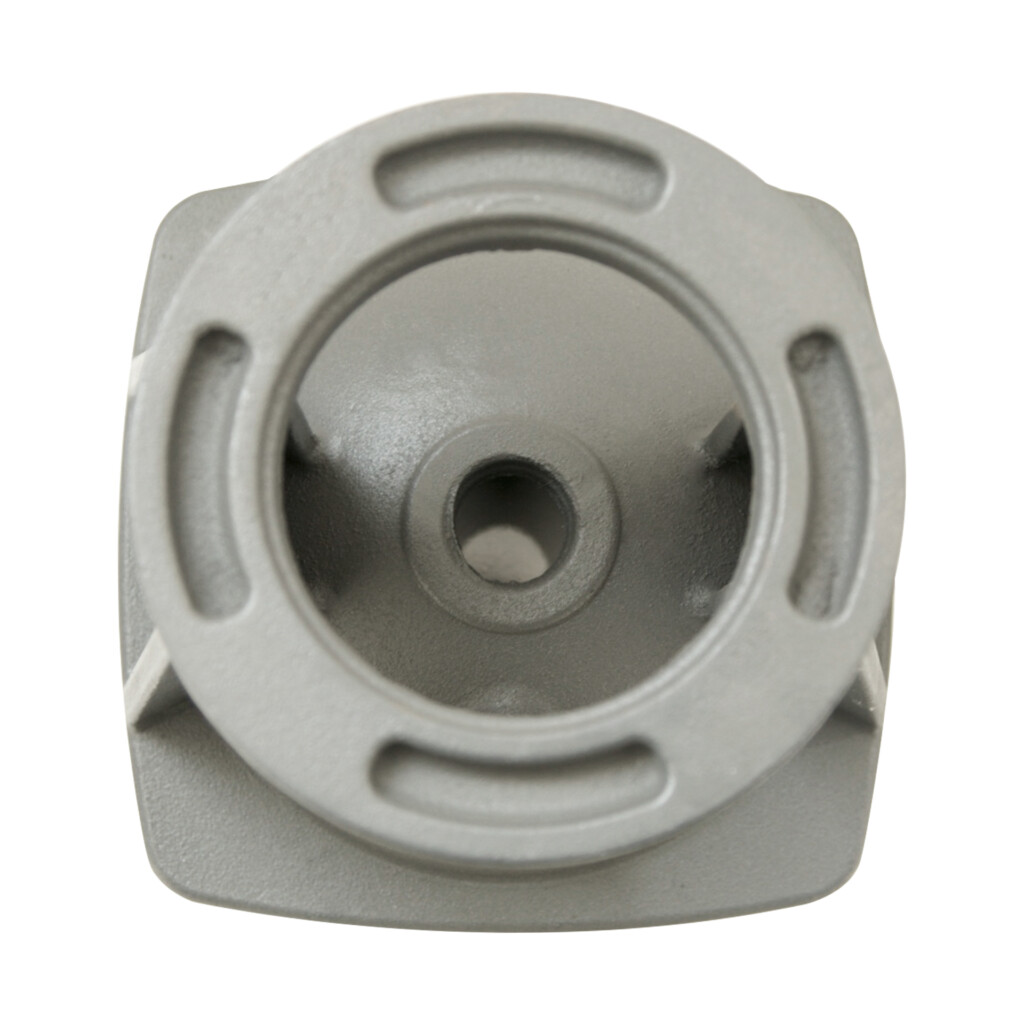
Sample03
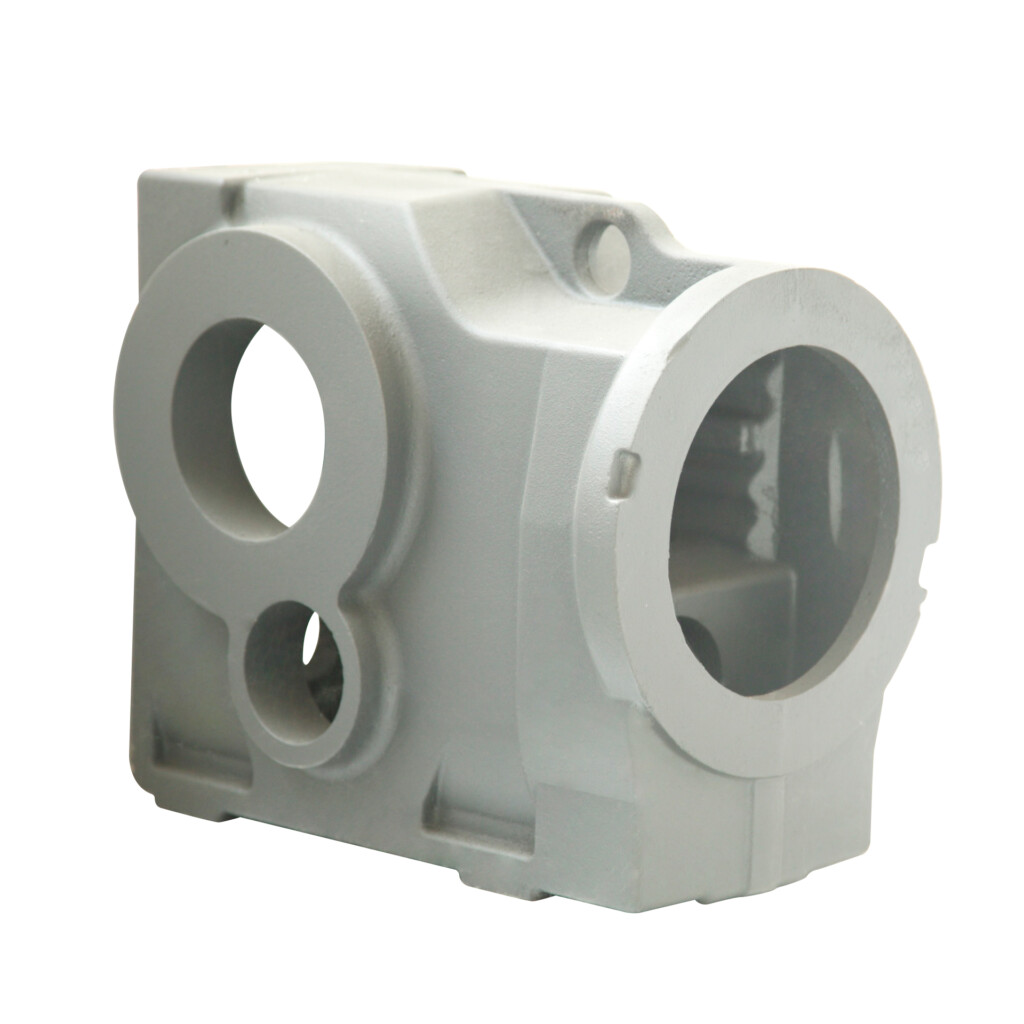
Sample04
Process And Quality
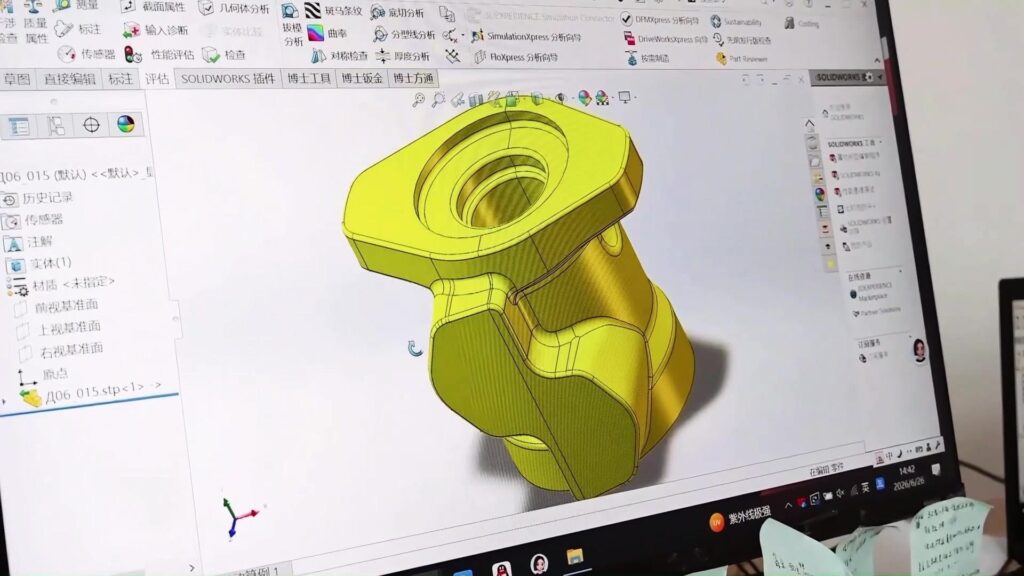
CAD Design
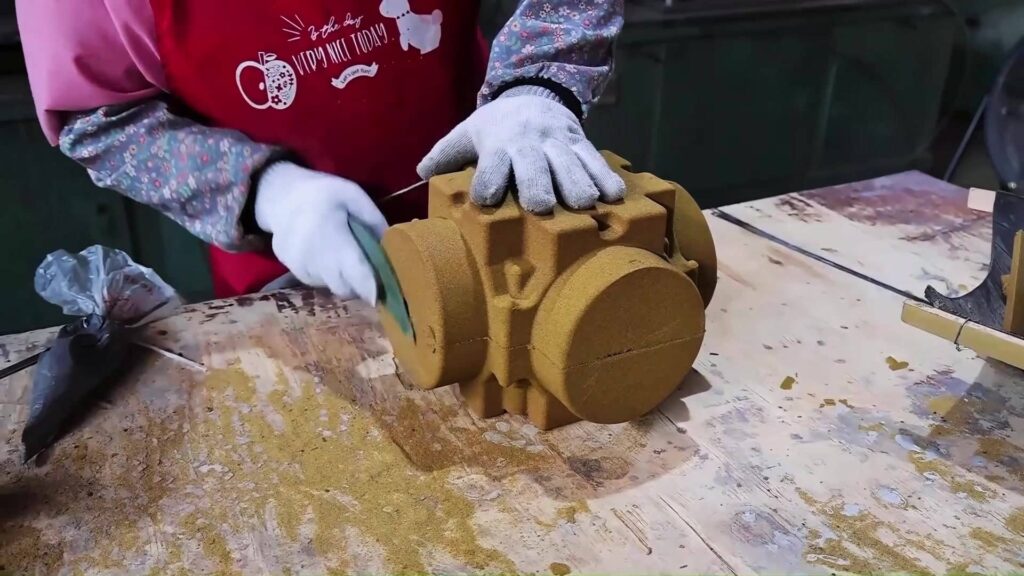
Sand Core Preparation
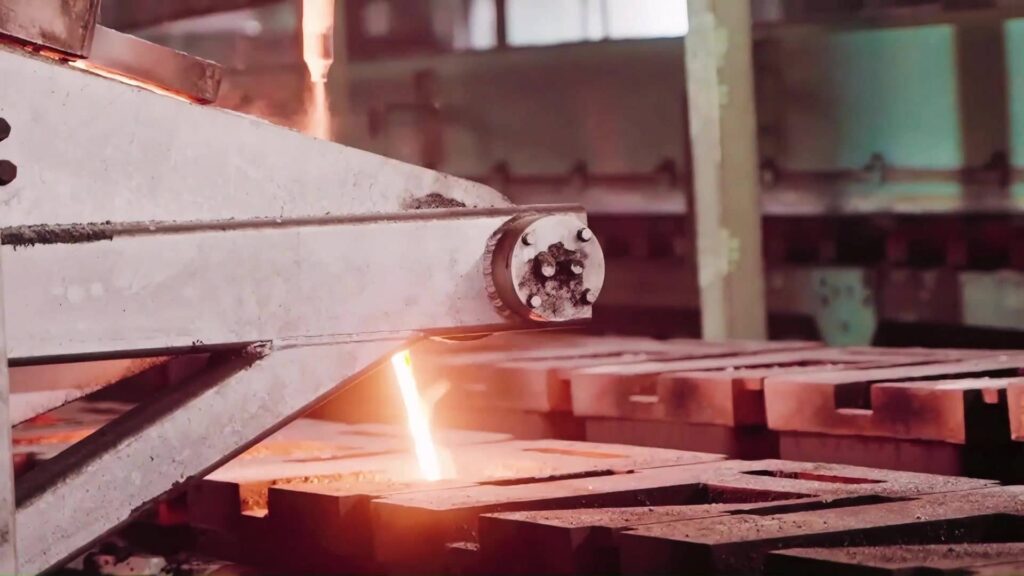
Pouring
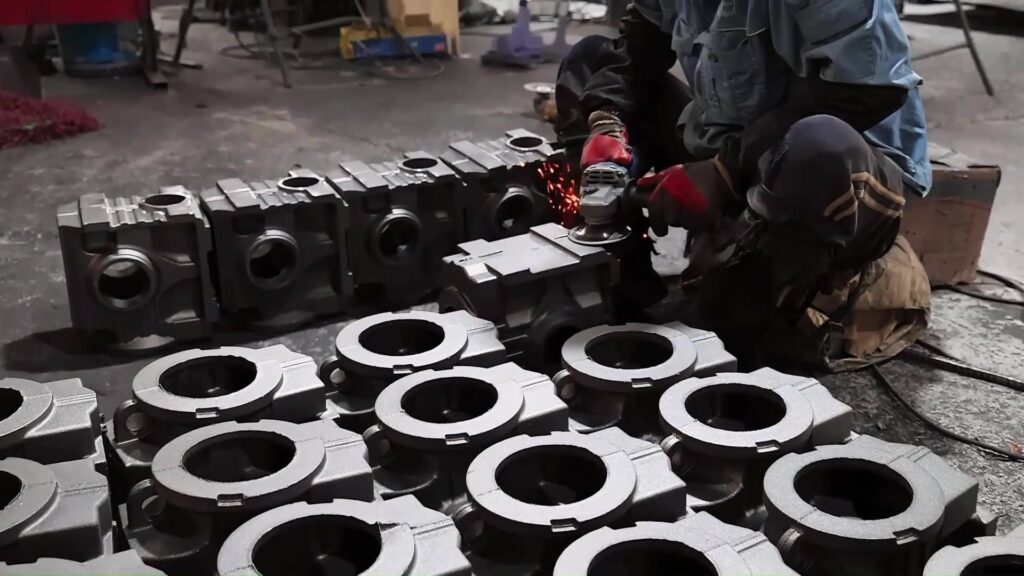
Fettling & Grinding
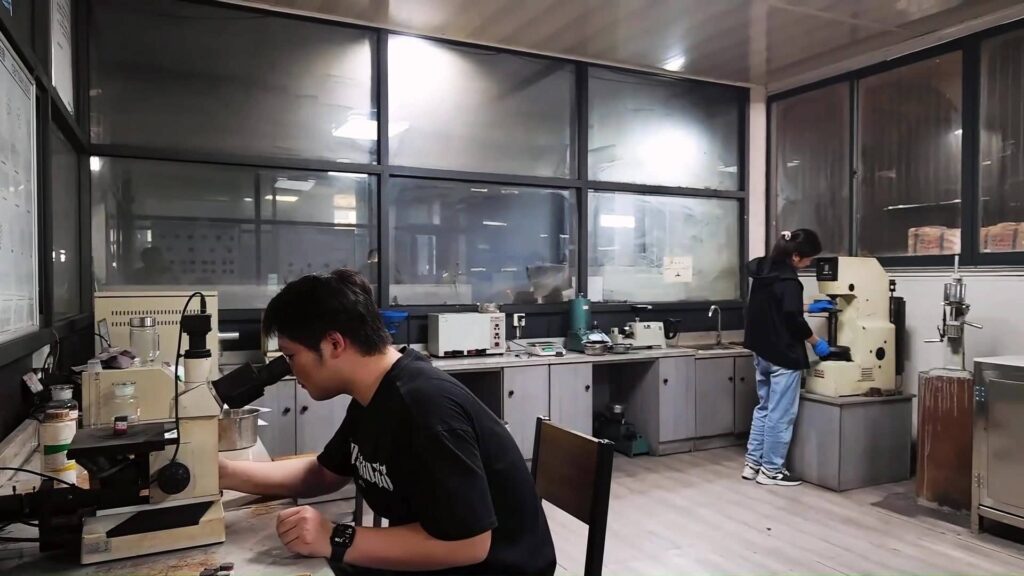
Inspection
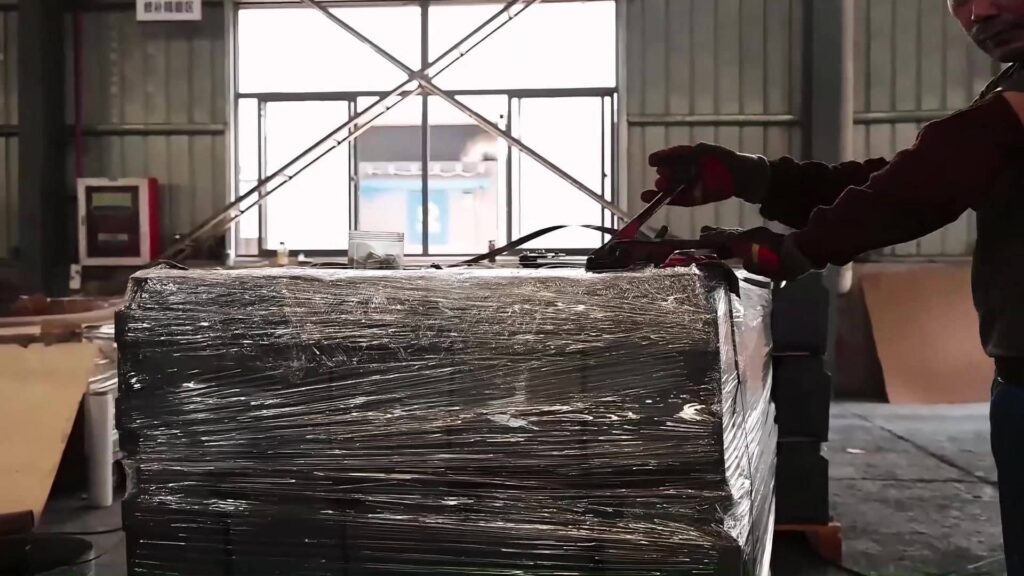
Packing
Finished Product Inspection
Our inspection capabilities include tensile strength, yield strength, elongation and hardness testing, as well as chemical composition analysis and non-destructive testing. Tests are conducted according to material specifications, product drawings and customer requirements to verify material properties and casting quality.
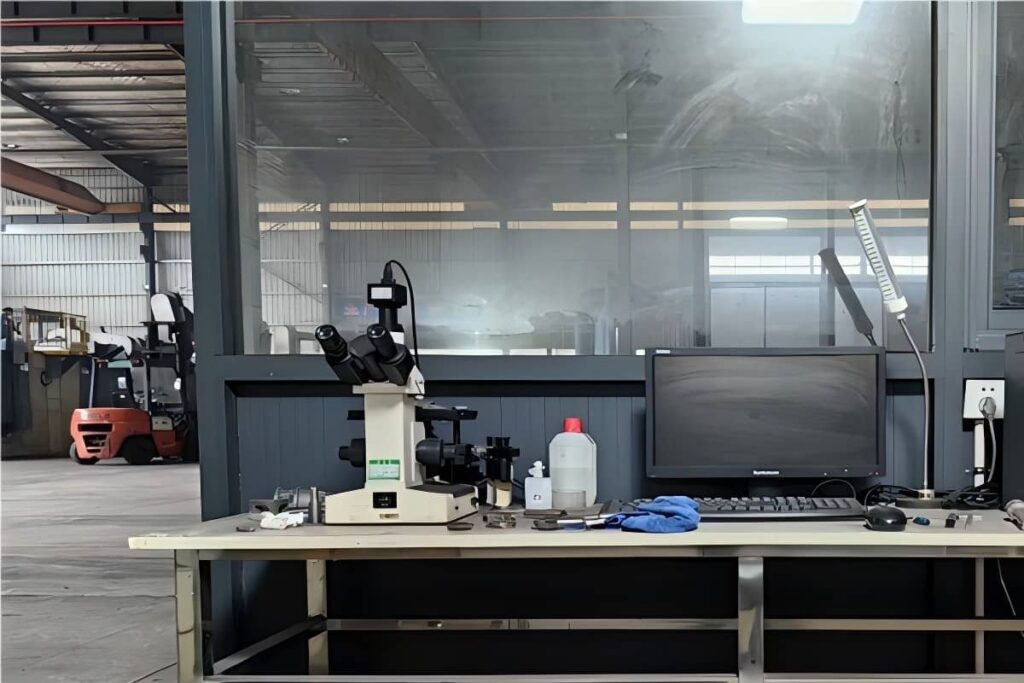
Metallurgical microscope
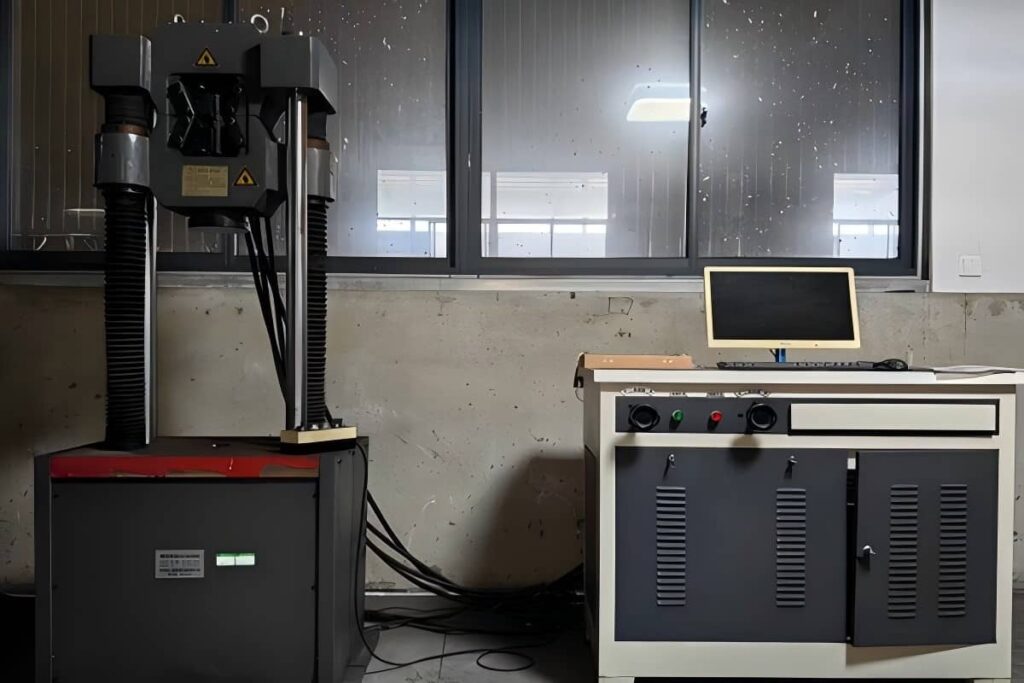
Tensile tester
Have questions about castings? Our engineers will answer them for you.
SR Foundry is committed to providing practical casting solutions for every customer, helping them transform drawings into reality. If you have any questions about casting processes or materials, please contact our staff, and we will respond promptly.
Investment Casting FAQs
How does investment casting differ from shell casting?
Investment casting builds a ceramic shell around a wax pattern, which is removed before pouring. Shell casting forms resin-coated sand shells against heated metal patterns. The processes use different tooling and mold materials.
Can investment casting produce thin walls and complex features?
Yes. The process can produce detailed contours, thin sections and suitable internal features. Feasibility depends on the alloy, component size and geometry. Internal passages may require cores and additional process planning.
What inspections are available?
Our capabilities include tensile strength, yield strength, elongation and hardness testing, chemical composition analysis and non-destructive testing. The inspection scope is agreed according to the material specification and project requirements.
What information do you need for a quotation?
Please provide your drawings, material grade, order quantity and any machining or surface treatment requirements. Critical tolerances, inspection requirements and your target delivery date will also help us prepare an accurate quotation.
Start Your Project Today