
Lost Foam Casting Process
We produce custom lost foam castings in grey iron, ductile iron, carbon steel and manganese steel. Using expendable foam patterns, the process creates complex shapes and internal features while reducing the need for separate cores. Share your drawings with us to discuss material selection, casting design and inspection requirements.
Materials for Lost Foam Casting
We offer grey iron, ductile iron, carbon steel and manganese steel for different strength, toughness and wear requirements. The following grades provide a starting point for material selection.Final material grade, applicable standard and heat treatment requirements are confirmed against the drawing and operating conditions.
| Material | GB Grade | Key Characteristics | Typical Applications |
| Grey Iron | HT200 | Good machinability and vibration damping for general engineering use. | Pump bodies, gearbox housings and machinery bases. |
| Grey Iron | HT250 | Higher strength than HT200, with good wear resistance and vibration damping. | Valve bodies, cylinder blocks and machine tool beds. |
| Grey Iron | HT300 | Higher strength and wear resistance for more demanding loads. | Heavy machinery bases, spindle housings and gear blanks. |
| Ductile Iron | QT400-18 | High ductility and good toughness for components requiring resistance to deformation. | Valve bodies, machinery brackets and axle housings. |
| Ductile Iron | QT450-10 | A balance of strength, ductility and machinability. | Agricultural machinery parts, support brackets and housings. |
| Ductile Iron | QT500-7 | Increased strength while retaining useful ductility. | Gear blanks, flywheels and machine frames. |
| Ductile Iron | QT600-3 | Higher strength and wear resistance, with lower ductility. | Crankshafts, gears and industrial rollers. |
| Carbon Steel | ZG230-450 | Good toughness and ductility for general structural applications. | Support brackets, bearing housings and machinery supports. |
| Carbon Steel | ZG270-500 | Higher strength for components carrying greater mechanical loads. | Wheel blanks, coupling components and machinery frames. |
| Carbon Steel | ZG310-570 | Greater strength for highly loaded parts; properties depend on heat treatment. | Gear blanks, drive components and heavy machinery parts. |
| Manganese Steel | ZGMn13-2 | Work-hardening capability under sufficient impact and compressive loading. | Crusher jaw plates, crusher hammers and mill liners. |
Advantages of Lost Foam Casting
Lost foam casting offers design flexibility for complex components and can simplify mould preparation and finishing when the part geometry is suitable.

Complex Shapes
Foam patterns can be assembled into intricate shapes, allowing multiple features to be incorporated into a single casting.

Reduced Core Requirements
Suitable internal passages and cavities can be formed with fewer separate sand cores, simplifying mould preparation.

Reduced Parting-Line Flash
Without a conventional mould parting plane, the process reduces associated flash and the grinding needed to remove it.

Less Machining Stock
Casting closer to the required shape can reduce machining allowances and material removal, depending on the component design.
Lost Foam Casting Examples
Explore typical applications for lost foam casting, from machinery housings and structural components to parts exposed to impact and wear.
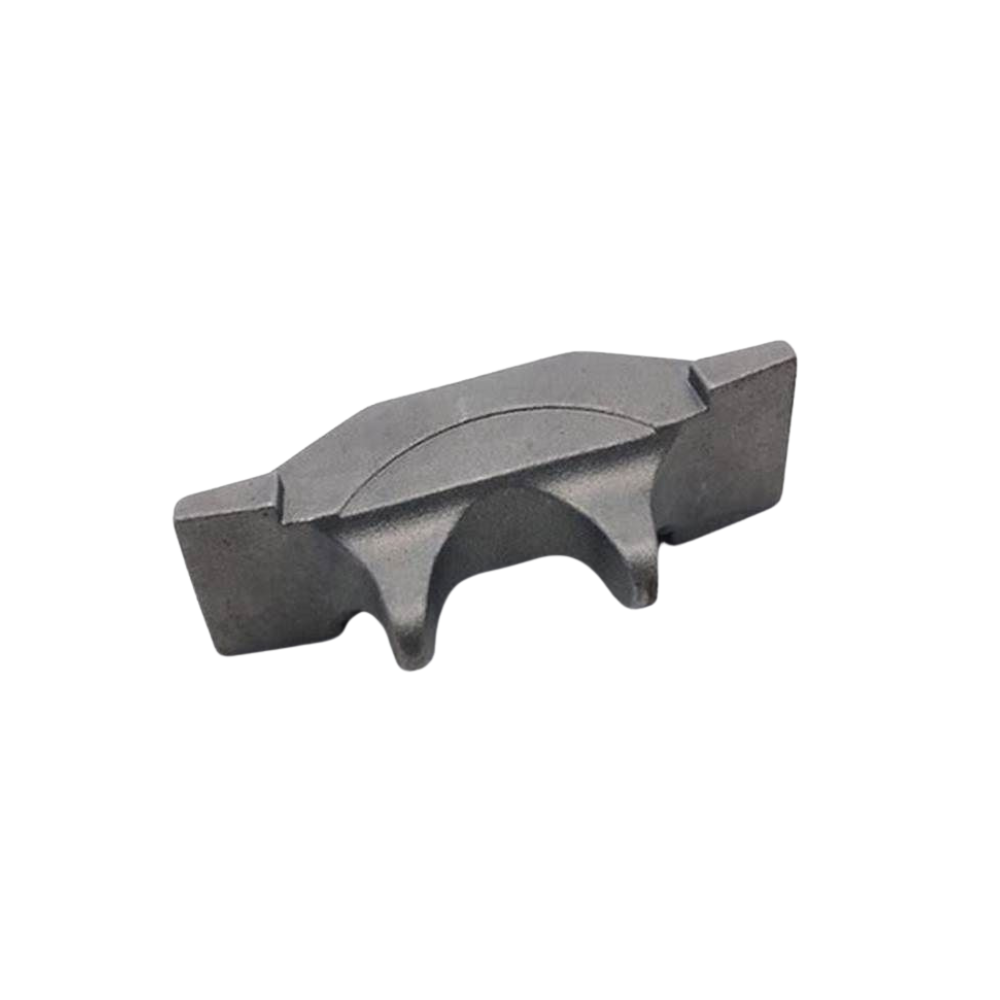
Sample01
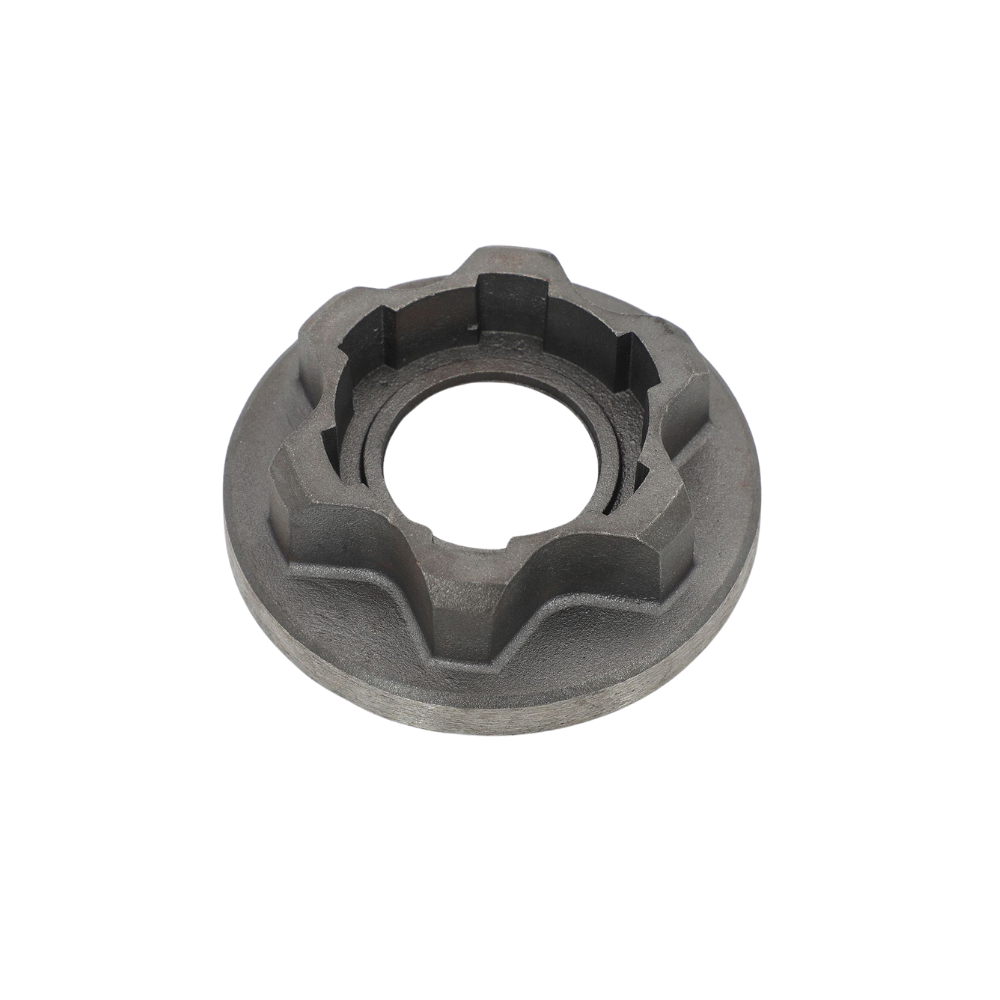
Sample02
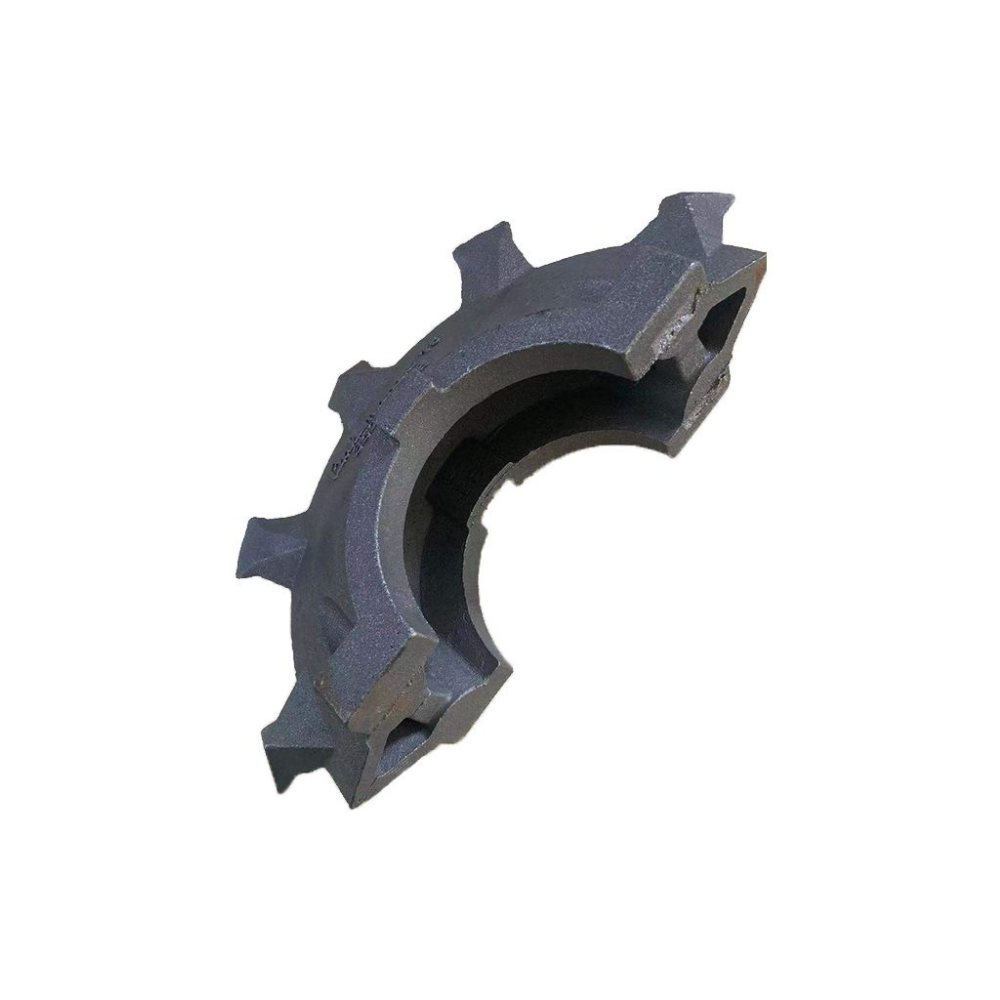
Sample03
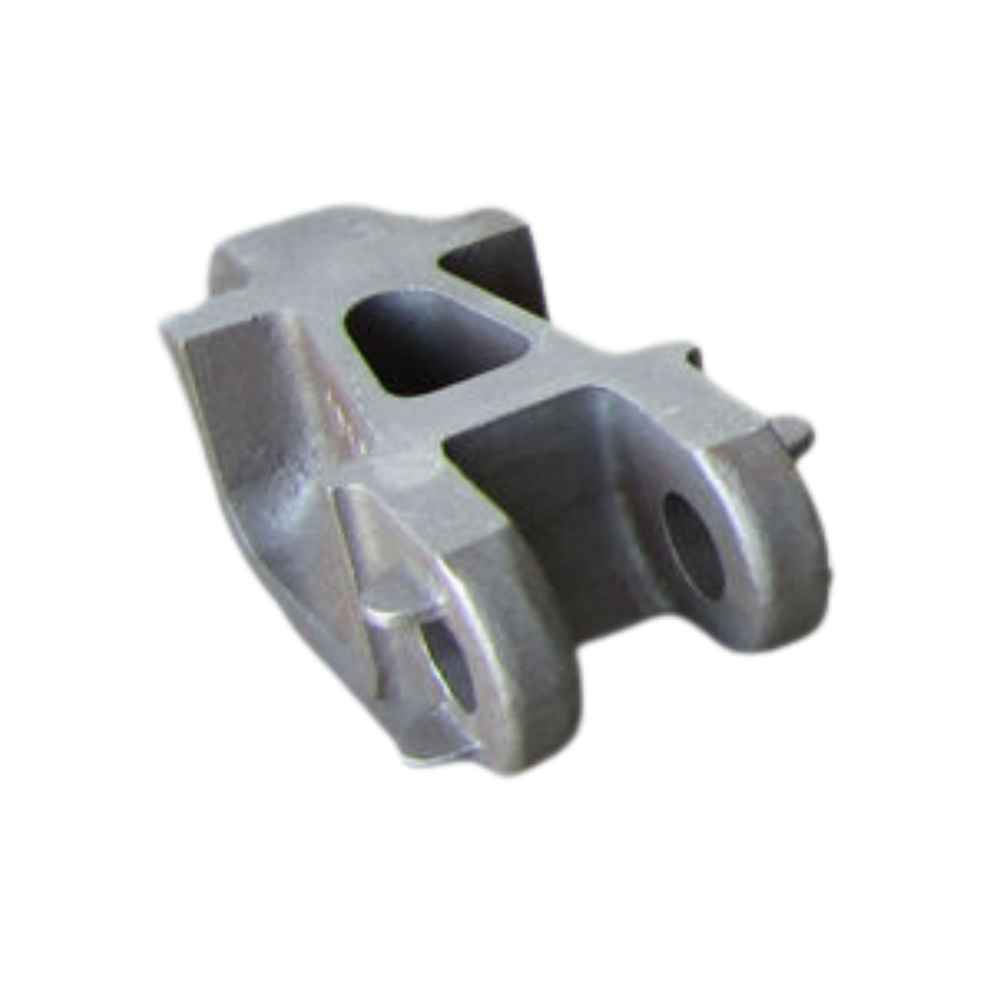
Sample04
Lost Foam Casting Process & Quality Control
Production begins with a review of the drawing, material and inspection requirements. The main casting stages are outlined below, with heat treatment and machining included where specified.
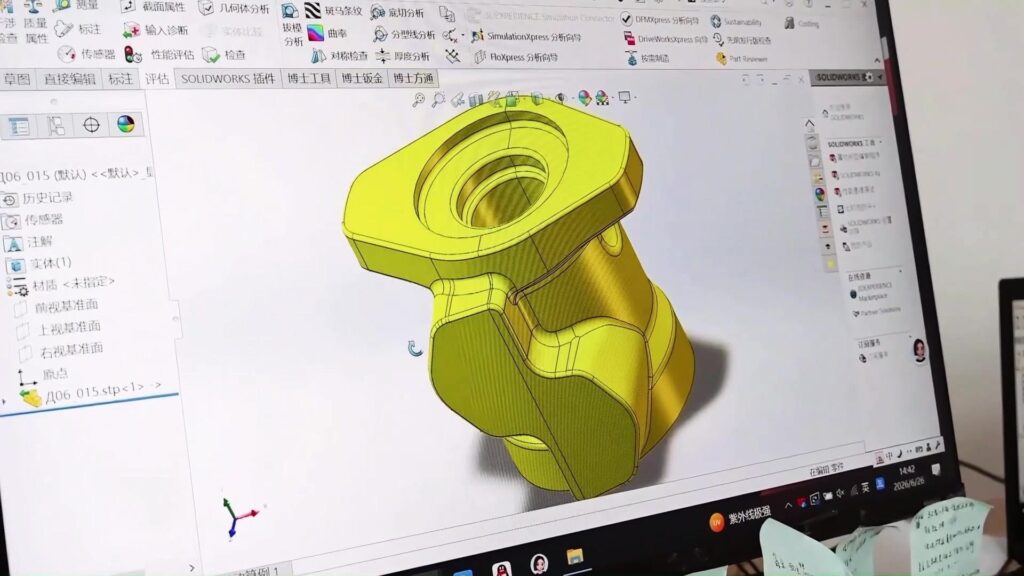
CAD Design
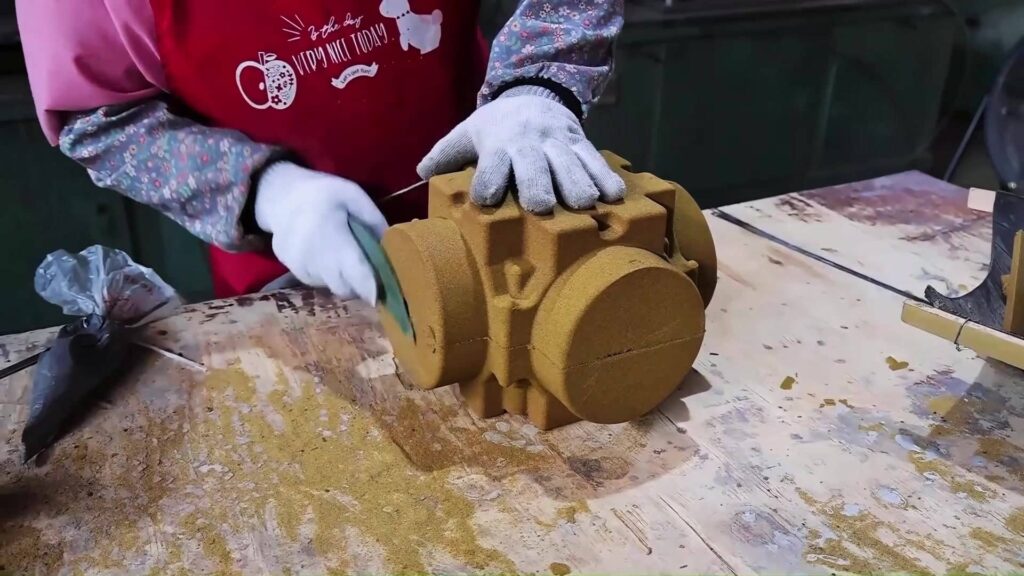
Mold manufacturing
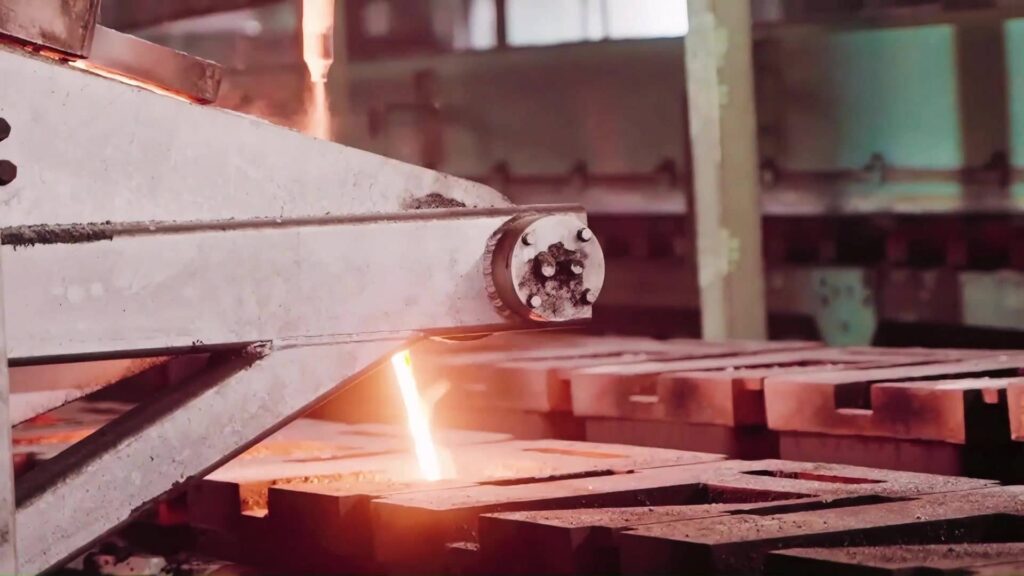
Pouring
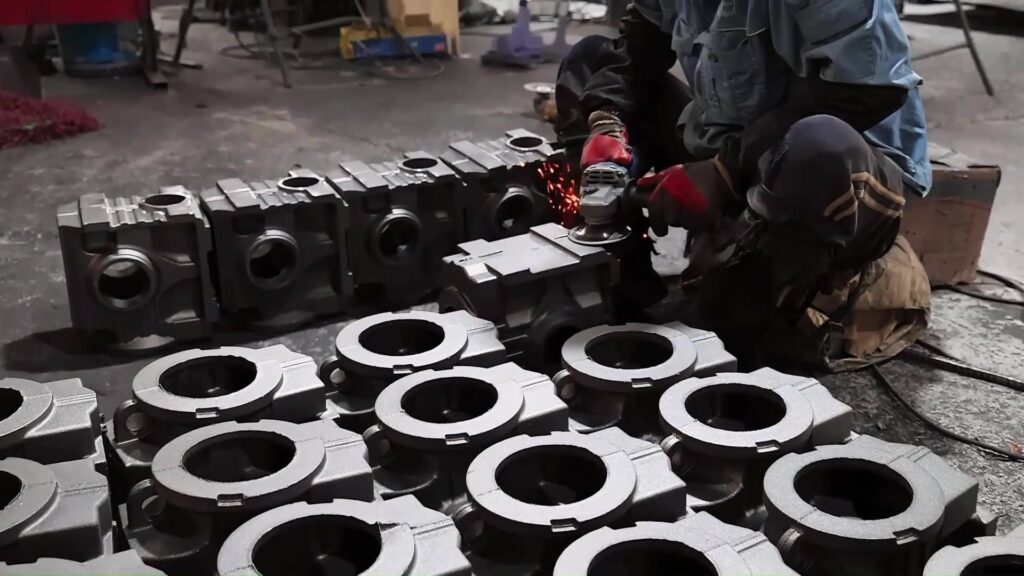
Fettling & Grinding
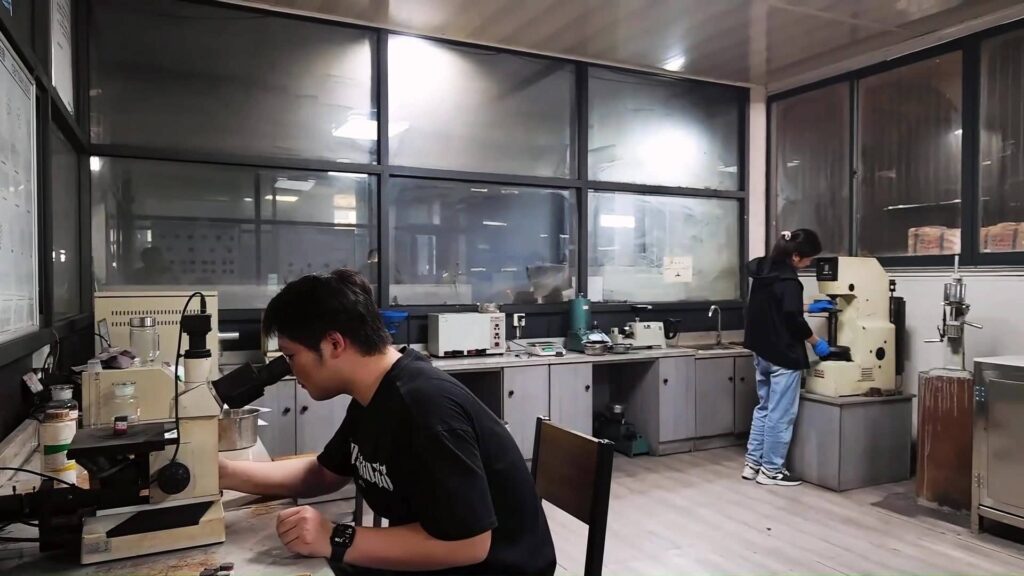
Inspection
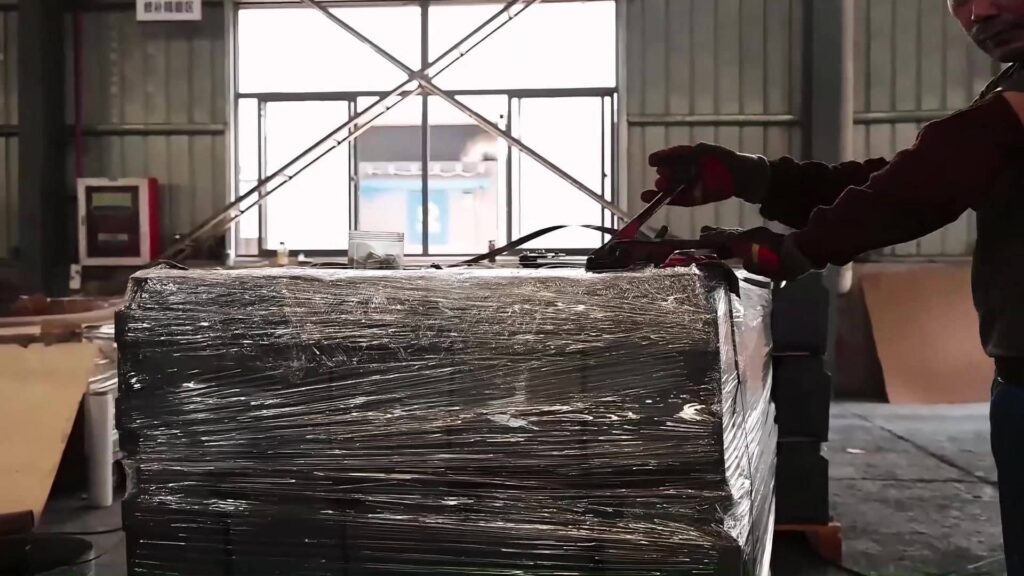
Packing
Casting Inspection & Testing
Our inspection capabilities include tensile strength, yield strength, elongation and hardness testing, as well as chemical composition analysis and non-destructive testing. Tests are conducted according to material specifications, product drawings and customer requirements to verify material properties and casting quality.
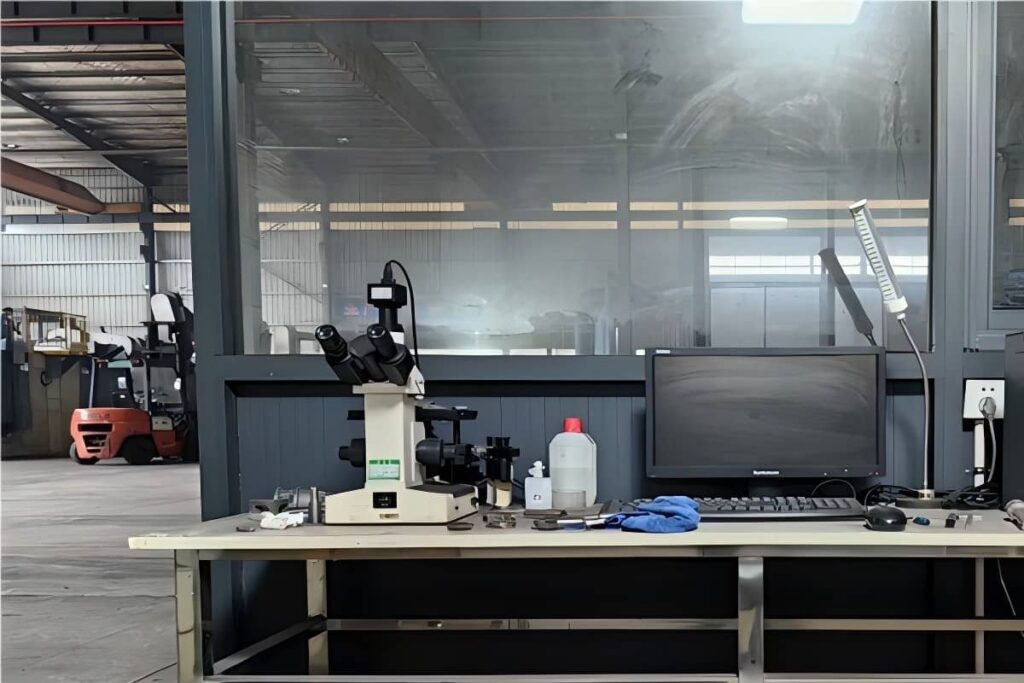
Metallurgical microscope
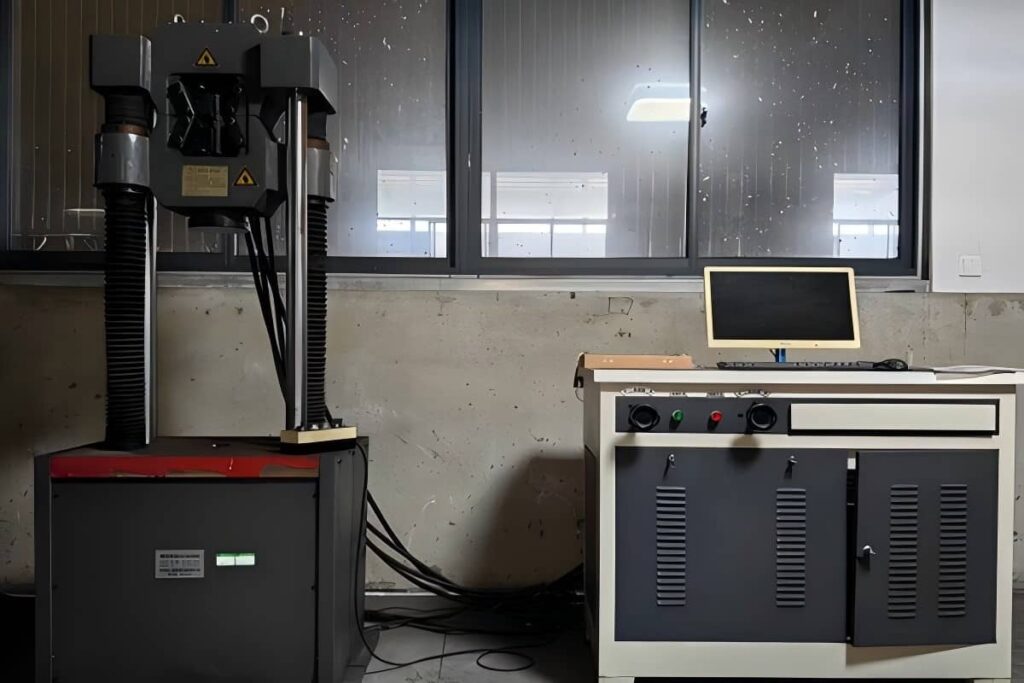
Tensile tester
Have questions about castings? Our engineers will answer them for you.
SR Foundry is committed to providing practical casting solutions for every customer, helping them transform drawings into reality. If you have any questions about casting processes or materials, please contact our staff, and we will respond promptly.
Lost Foam Casting FAQs
What materials do you offer for lost foam casting?
We offer grey iron, ductile iron, carbon steel and manganese steel. The material grade is selected according to the component’s strength, toughness, wear resistance and operating requirements.
How does lost foam casting differ from conventional sand casting?
Both processes use sand, but the patterns are handled differently. In conventional sand casting, the pattern is removed before pouring. In lost foam casting, the foam pattern remains in the mould and is consumed as molten metal replaces it.
Can lost foam casting produce complex internal features?
Yes. Suitable passages and cavities can be incorporated into the foam pattern, reducing the need for separate cores. Feasibility depends on the geometry and whether the sand can adequately fill and support these features.
What information do you need for a quotation?
Please provide your drawings, material grade, order quantity and any machining or surface treatment requirements. Critical tolerances, inspection requirements and your target delivery date will also help us prepare an accurate quotation.
Start Your Project Today