
 sales@nydcasting.com
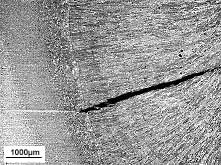
There are many factors that affect the formation of hot cracking in castings. Therefore, when considering measures to prevent hot cracking, we cannot start from a single factor, but need to conduct a...

In casting production, hole defects are common defects and are also one of the defects that cause the greatest losses to foundries. Porosity defects are divided into pores and shrinkage pores...
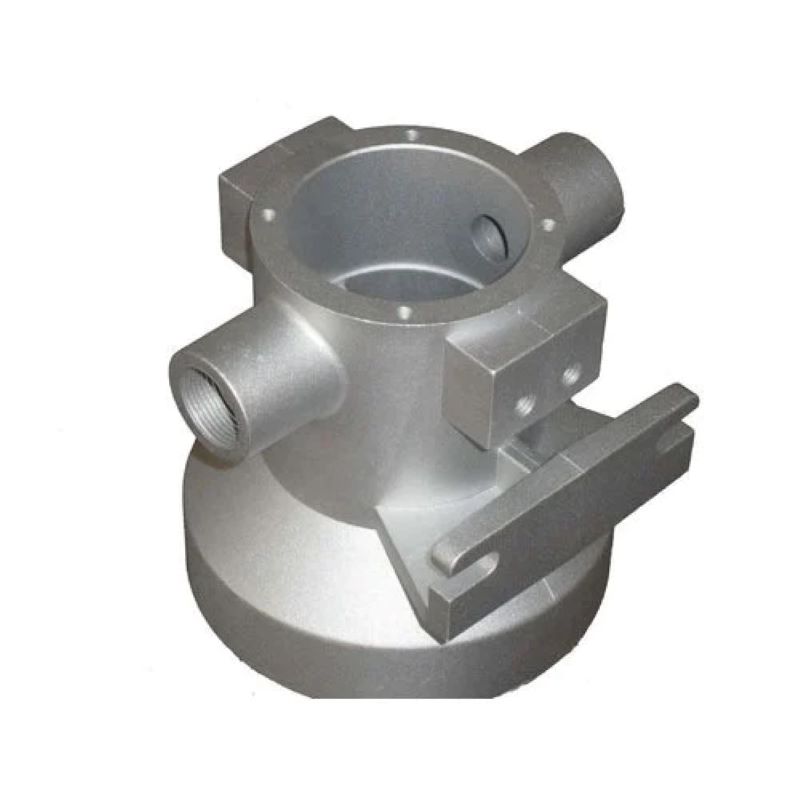
The influence of chemical composition on the performance of ductile iron Chemical composition and metallographic structure Ductile iron uses Si and B as alloying elements to achieve high strength and...

The metallographic structure of heat-resistant cast iron is mainly composed of metal matrix, graphite phase and special phase formed by alloy elements. The following is a detailed introduction: Metal...

1. The influence of melting molten iron in electric furnace on material properties 1.1 Influence on “spontaneous nucleation” The melting point of scrap steel is higher than that of cast...
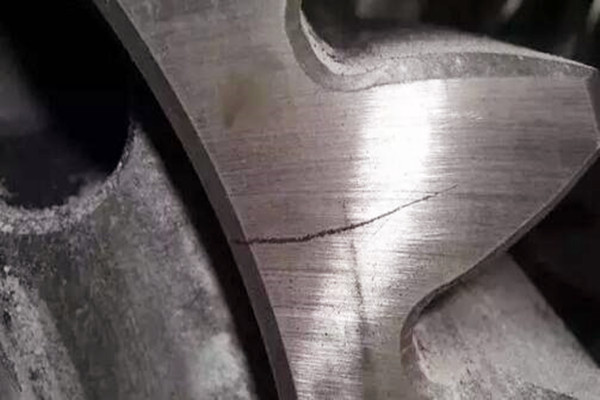
1. Effect of quenching process Quenching temperature: If the quenching temperature is too high, the austenite grains of high manganese steel will grow, resulting in reduced toughness of the material...
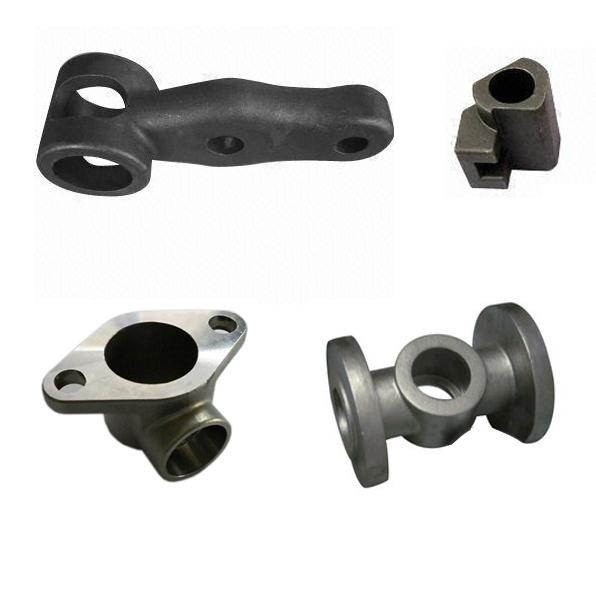
1. Visual color changes of gray cast iron ferrite, pearlite, and cementite fracture When gray cast iron is directly visually inspected without a microscope, the color differences of ferrite, pearlite...
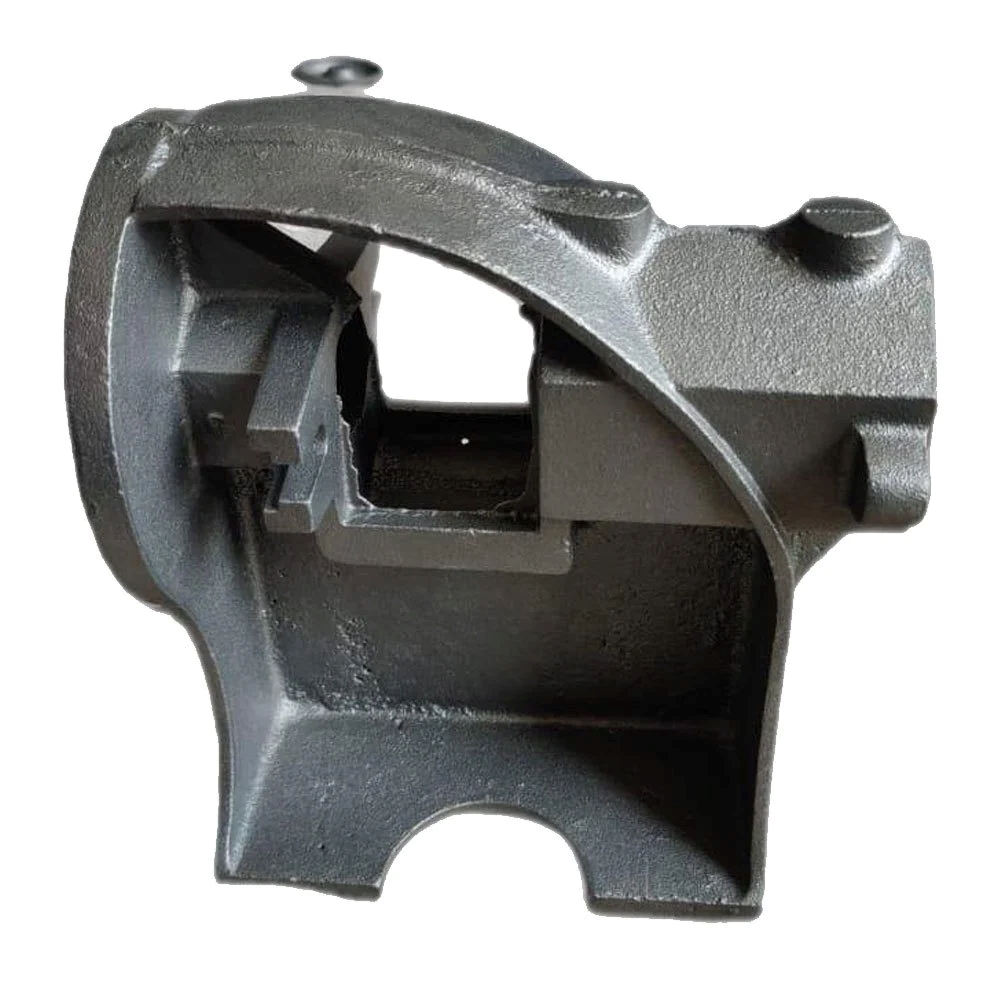
High strength and shrinkage have always been a contradiction. The production of high-strength castings has a large shrinkage tendency. To solve the shrinkage problem of materials, the general...

1 Morphological characteristics of defects Local pitting defects in ductile iron castings generally appear at the concave corners of the upper surface of the casting , and are composed of many pits...