
 sales@nydcasting.com

1. The sulfur content and other trace elements of the original iron liquid should not be too high. If the sulfur content and other trace elements of the original iron liquid are too high, more...

Before pouring molten iron, under certain conditions (such as certain overheating temperature, chemical composition, appropriate addition method, etc.), a certain amount of substance (inoculant) is...

Casting defects such as inclusions, holes, cracks (referring to pores, keyholes, cracks, cold shuts, etc.) often affect the mechanical properties, physical and chemical properties, and processing...
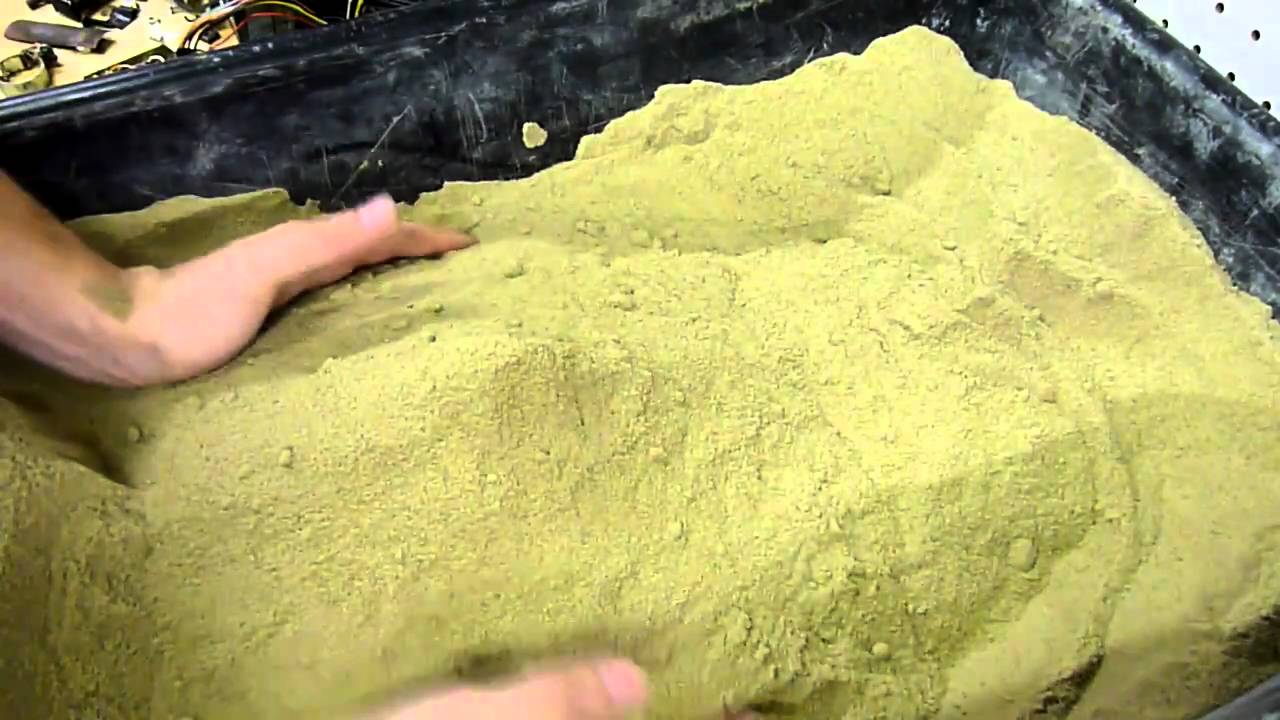
Clay wet sand molds have poor rigidity, causing cavity expansion. Factors include sand quality, mold compactness, pouring temperature, and molten iron pressure. The actual volume expansion can be...
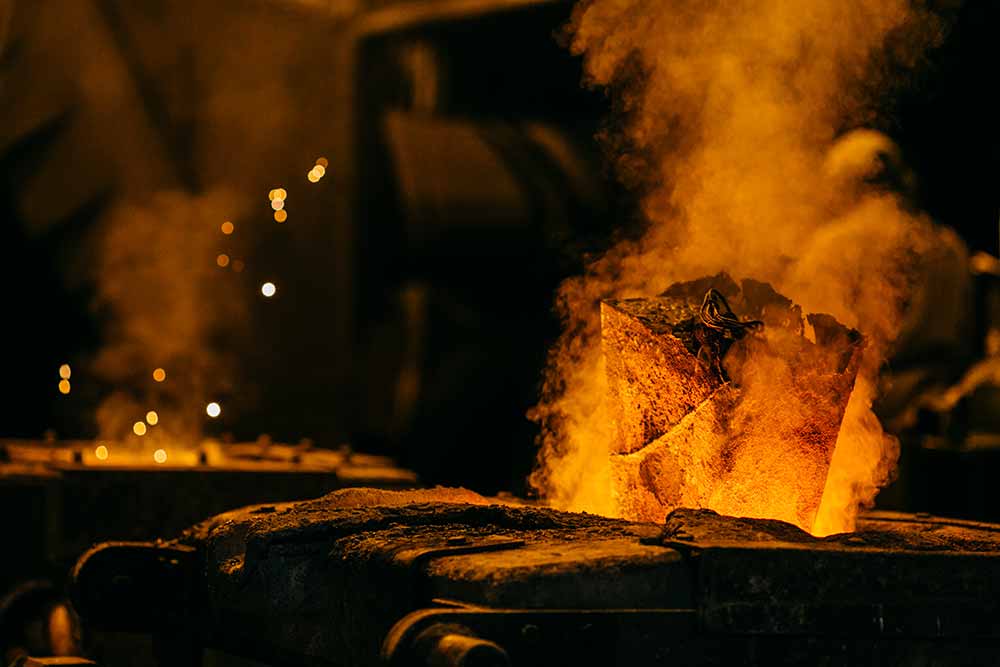
1. Common defects and preventive measures in the use of resin sand 1.1 Generation and preventive measures of pores During the solidification process of metal, bubbles trapped in the molten metal form...
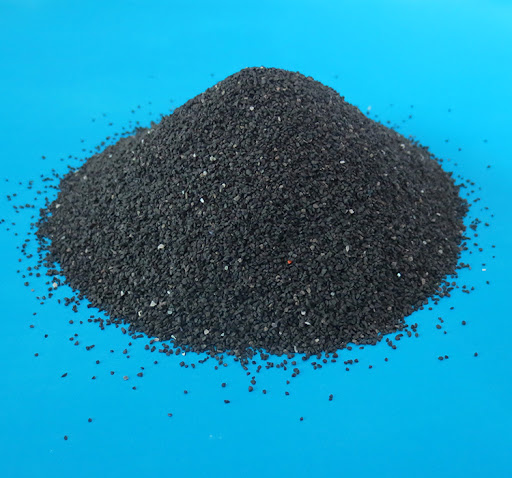
If furan resin self-hardening sand is used improperly, casting defects such as pores, mechanical sand sticking, and mold sticking often occur. 1. Generation and prevention measures of pores During...
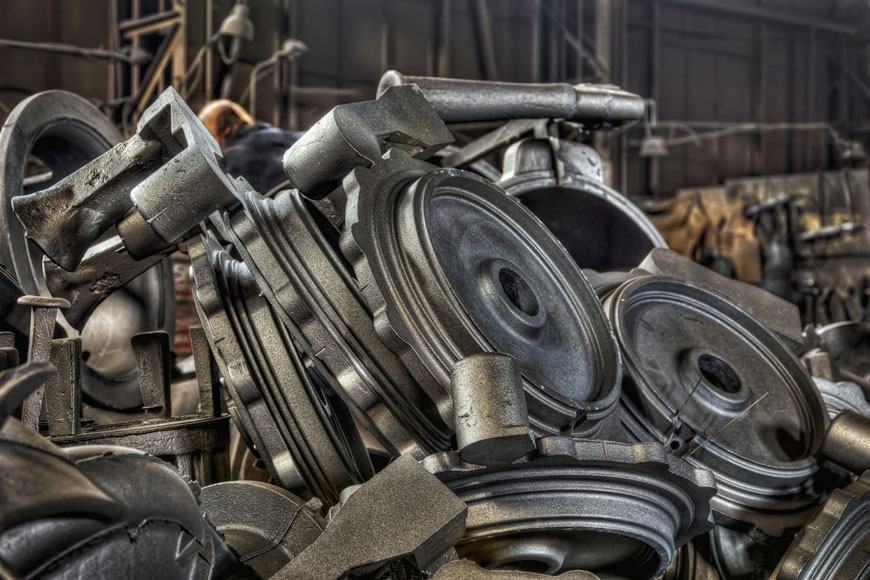
1. Material selection and quality Raw materials: The main production materials of cast iron are pig iron and recycled materials. Pig iron is usually obtained by smelting in a blast furnace, while...
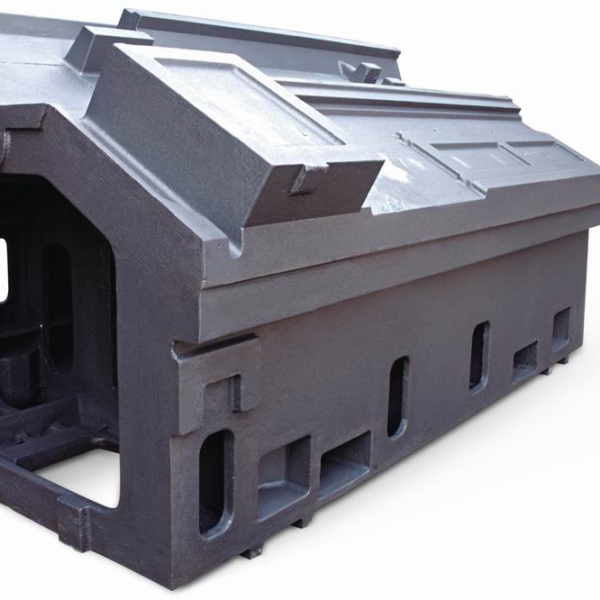
Aging treatment of machine tool castings is an important part of the casting process. It aims to eliminate residual stress inside the castings through a series of measures, stabilize their size and...
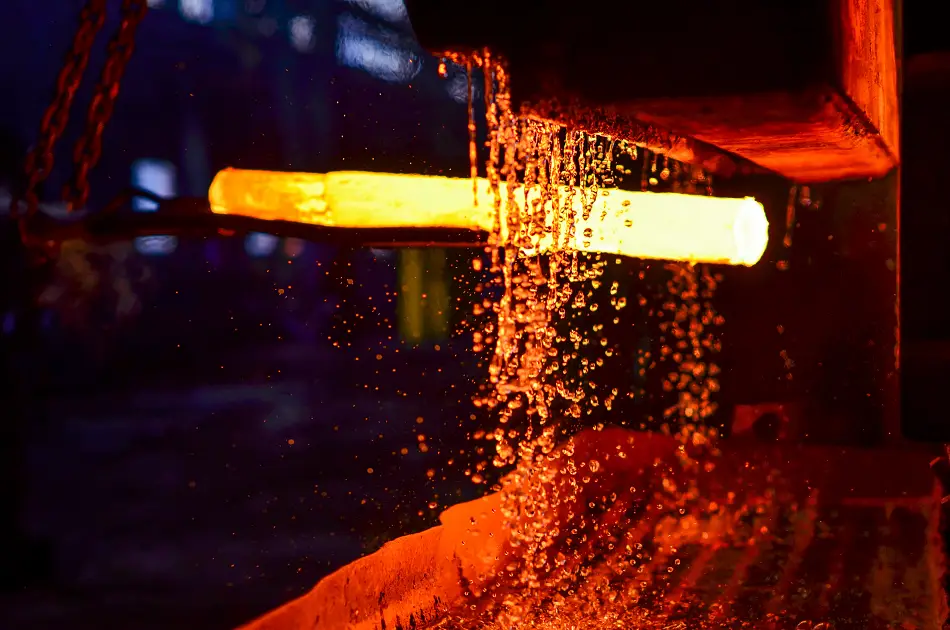
Ductile iron, known for its excellent strength and toughness, undergoes various heat treatment methods to enhance its mechanical properties. Common techniques include annealing, normalizing, and...