
 sales@nydcasting.com
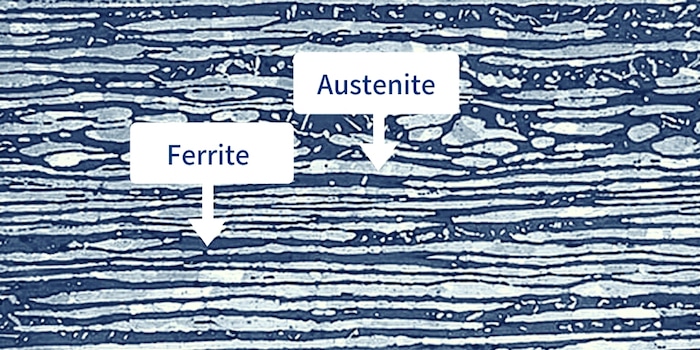
Duplex Stainless Steel (DSS): Structure and Composition Duplex stainless steel (DSS) refers to stainless steel in which ferrite and austenite each account for approximately 50% of the microstructure...

Shrinkage cavities and porosity are common defects in lost foam casting of ductile iron parts, which are mainly caused by volume shrinkage and insufficient shrinkage compensation during...

Wrinkle defects often appear at the last place where the molten metal flows or the “cold end” of the liquid flow, generally appearing at the top of the casting, vertical sidewalls or dead...
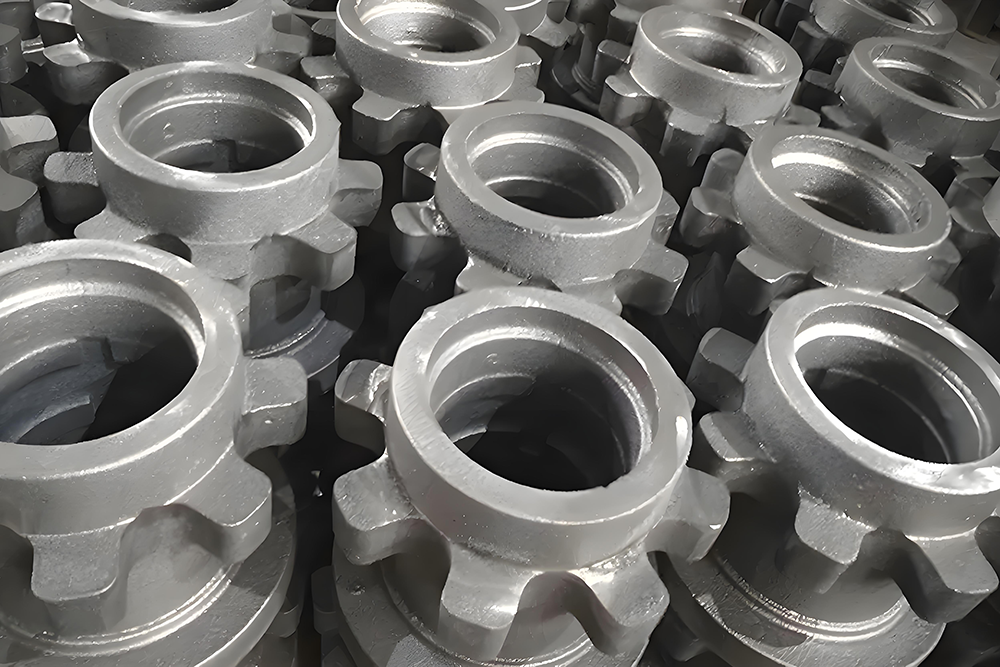
Causes Mold aspect: the gas emission of the mold material is too large, and a large amount of gas is released during pouring. If there is no time to discharge, bubbles will form on the surface of the...

Causes Solidification shrinkage: The carbon content of medium carbon steel is between 0.25% and 0.60%. When solidifying, the liquid state changes to solid state and the volume shrinks. If the liquid...
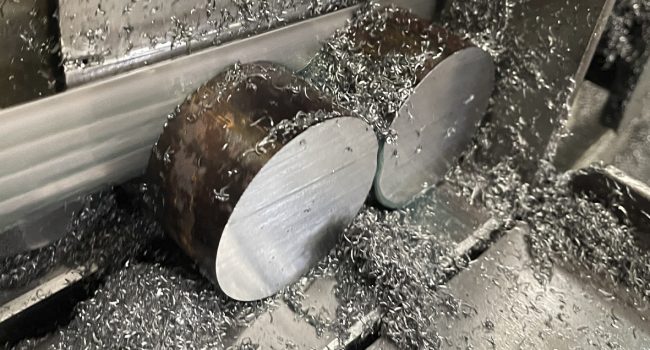
Free-cutting carbon steel is a special category of carbon steel that has been specially engineered to have enhanced machinability. Machinability refers to how easily a metal can be cut, shaped, or...
1. Basic principle of wire feeding spheroidization process Wire feeding spheroidization means wrapping a spheroidizer in a steel sheet using a winding device. The steel sheet has specific thickness...
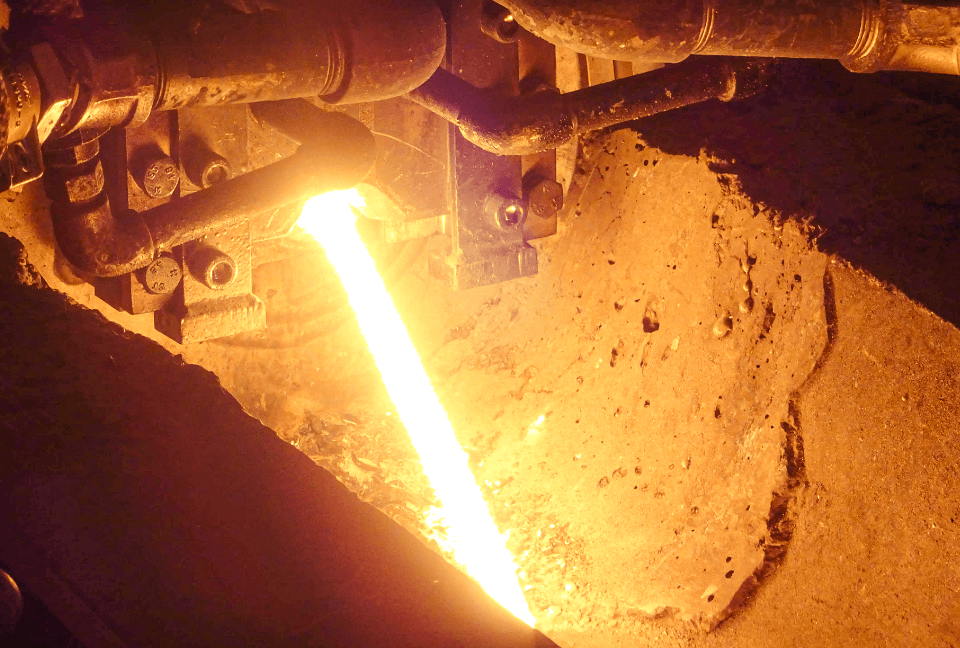
1. Pre-deoxidation Pre-deoxidation time: When the steel material has been completely melted, but the temperature is not high, generally about ≥1550℃, it is the best time for pre-deoxidation. Selection...
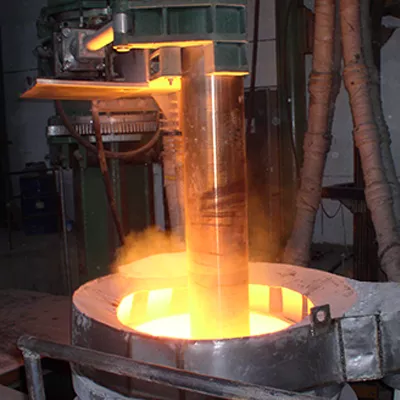
1. Preparation before smelting: Batch: Use high-quality profile scraps or refined continuous casting bars with the same or similar composition as the required steel grade as the main material...