
 sales@nydcasting.com
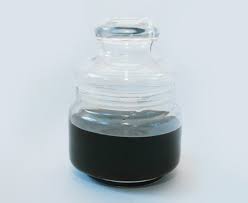
During casting, the curing agent (or hardener) promotes bonding and curing of molding sand, ensuring the sand mold has sufficient strength, stability, and heat resistance for molten metal pouring. 1...
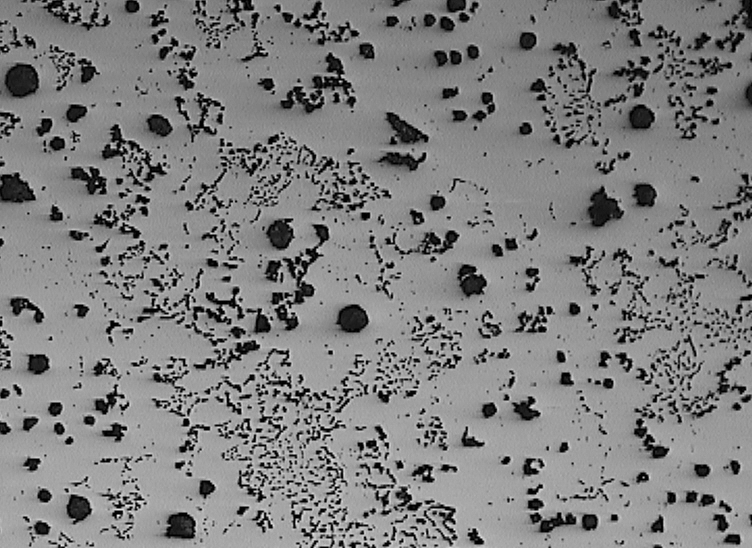
Chunky graphite is one of the common defects of thick and large-section ductile iron castings, which significantly affects the mechanical properties of castings. The chunky graphite...
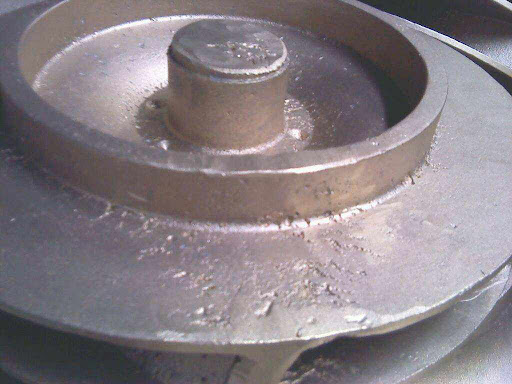
Porosity is a common defect in lost foam steel castings. It is necessary to analyze the causes of its occurrence and propose corresponding preventive measures to provide guidance for the better...
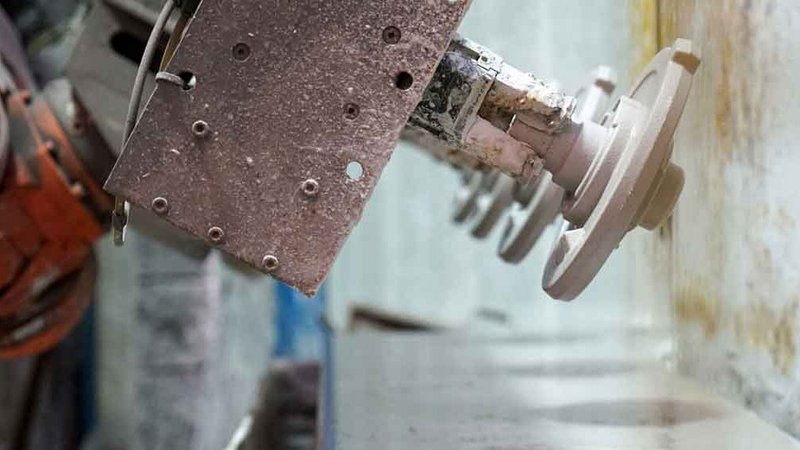
During the flow coating process of casting coating, some problems often occur. This article will analyze the causes of their formation and provide solutions. 1. Coating accumulation Reasons:...
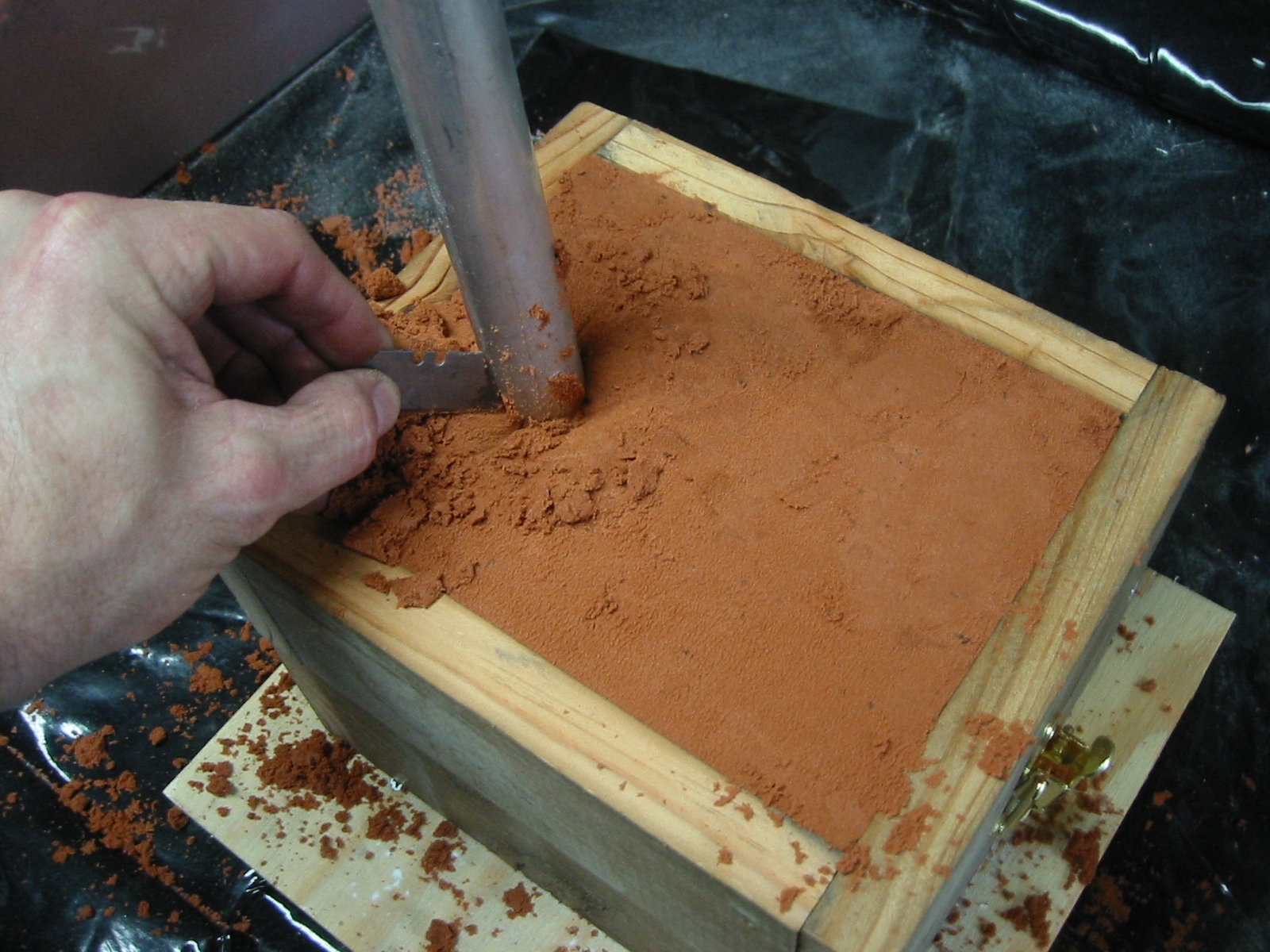
Introduction Sand casting is one of the oldest and most widely used metal casting processes. It involves pouring molten metal into a sand mold to form a desired shape. The quality of the final casting...

Introduction Casting technology is essential in modern manufacturing, especially in automotive, aerospace, and mechanical industries. Mold quality directly affects casting accuracy, surface finish...
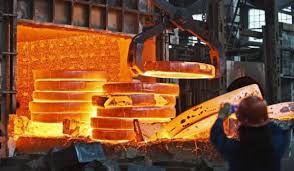
What is Annealing? Annealing process, derived from the word “Anneal,” meaning to heat, originates from the concept of fire. It refers to a softening or heat treatment process applied to...
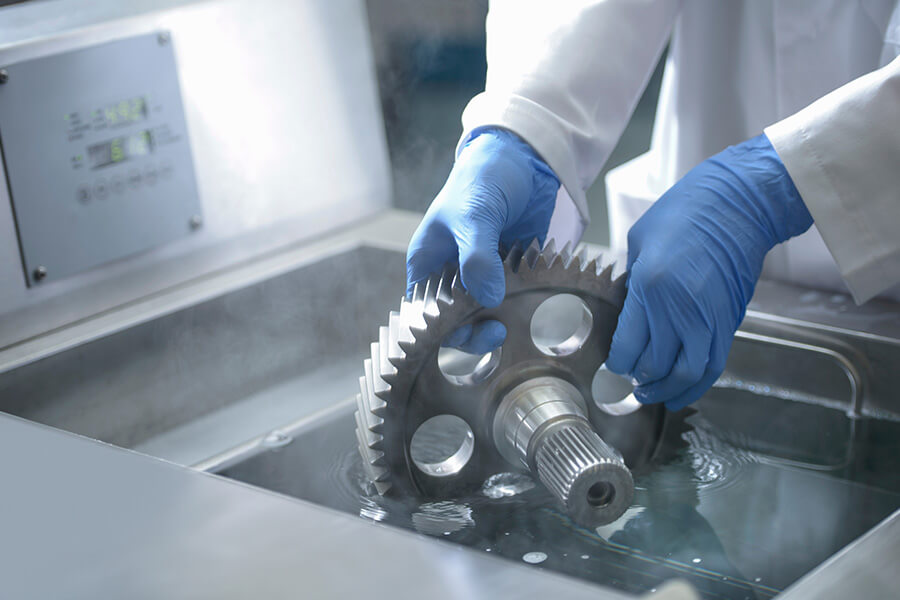
Surface treatment of cast products is a critical step in the manufacturing process, enhancing the performance, durability, and aesthetics of the final components. By improving surface quality...
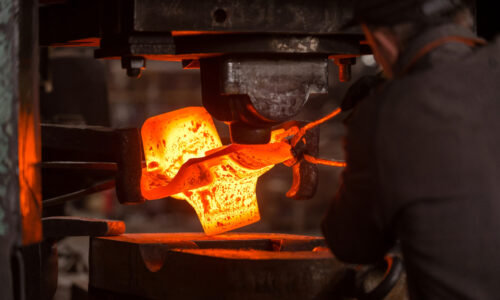
Casting and forging are two primary metal forming processes widely used in industries such as machinery, automotive, and aerospace. While both aim to shape metals into desired forms, their principles...