A production option for suitable grey and ductile iron housings, supports and other machinery components, with cores used where internal cavities are required
· CUSTOM CAST COMPONENTS
Valve Castings
We provide custom iron and steel castings for valve manufacturers, including bodies, bonnets, discs and other cast components. Casting, machining and inspection requirements are reviewed against your drawings, material specifications and service conditions to support the intended function and assembly of each part.
Cast Components for Valve Assemblies
Explore typical cast components used in different valve designs. Each project is reviewed according to the component geometry, material specification, machining requirements and expected production quantity.
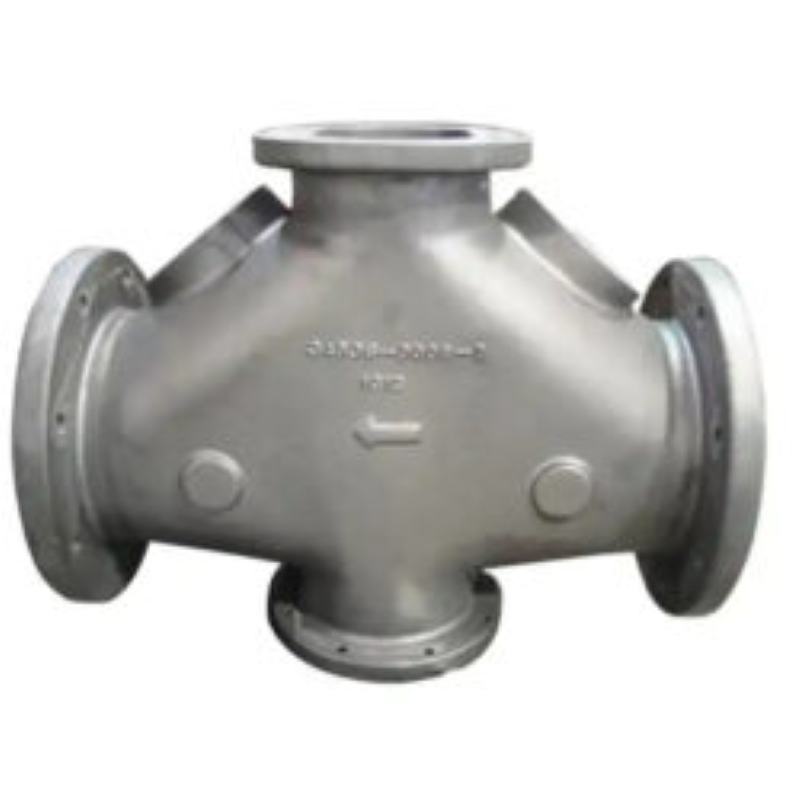
Sample01
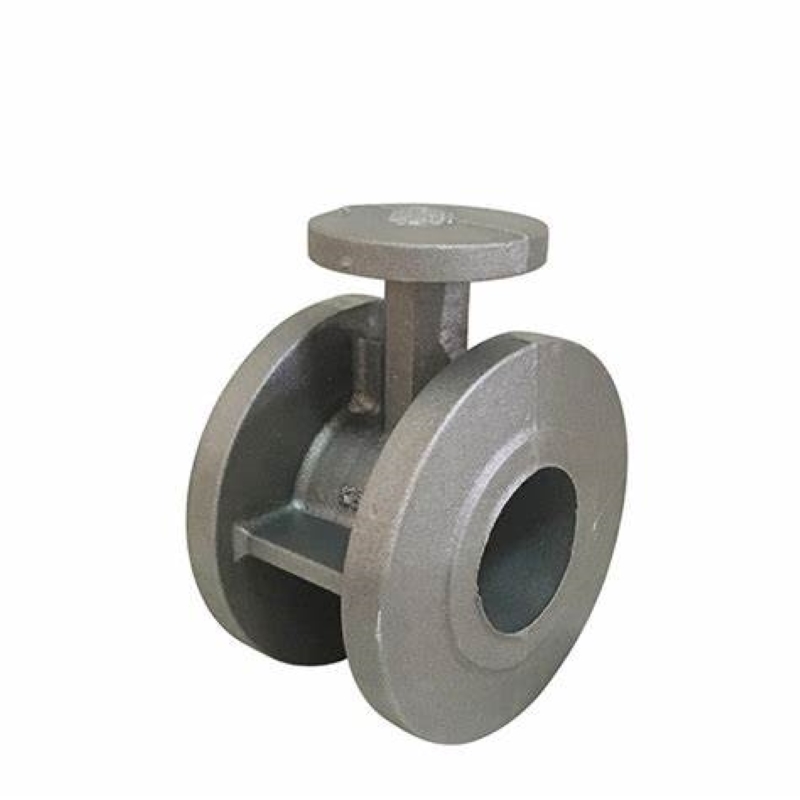
Sample02
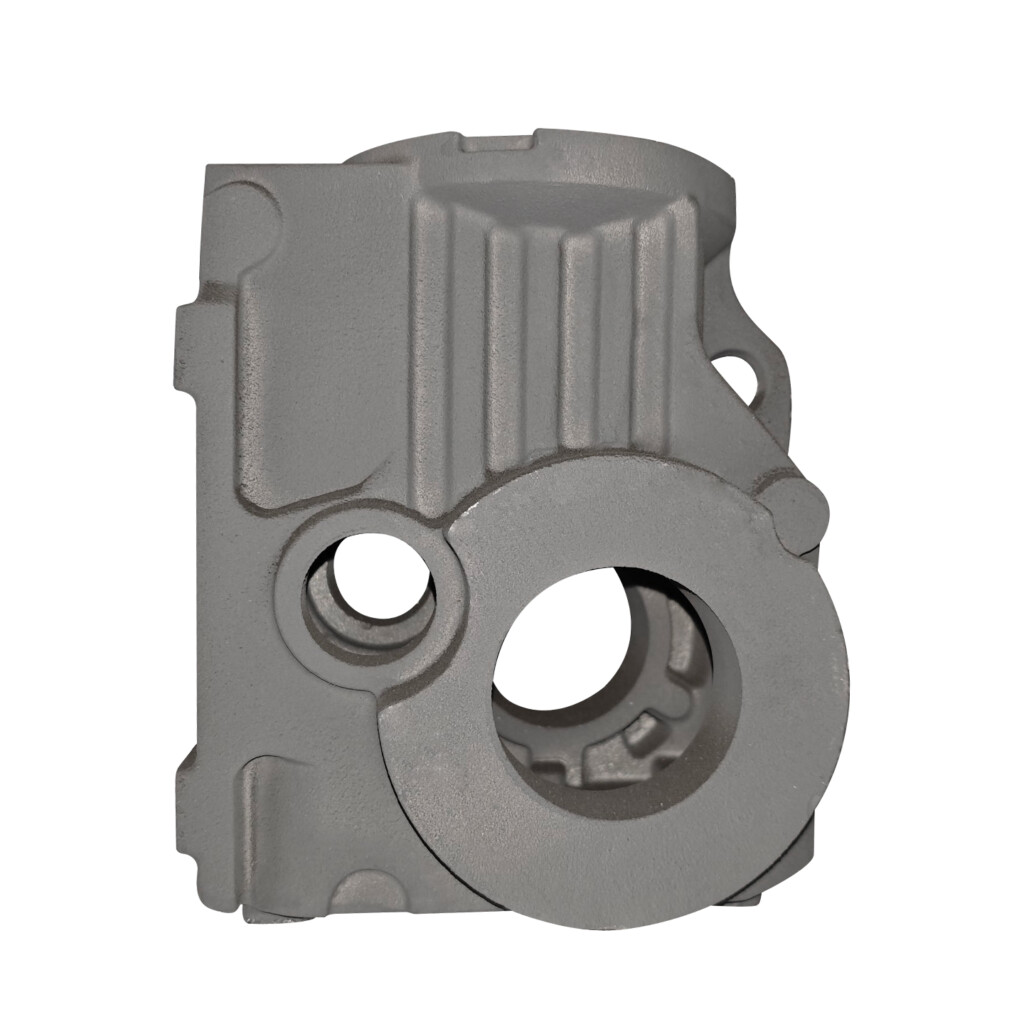
Sample03
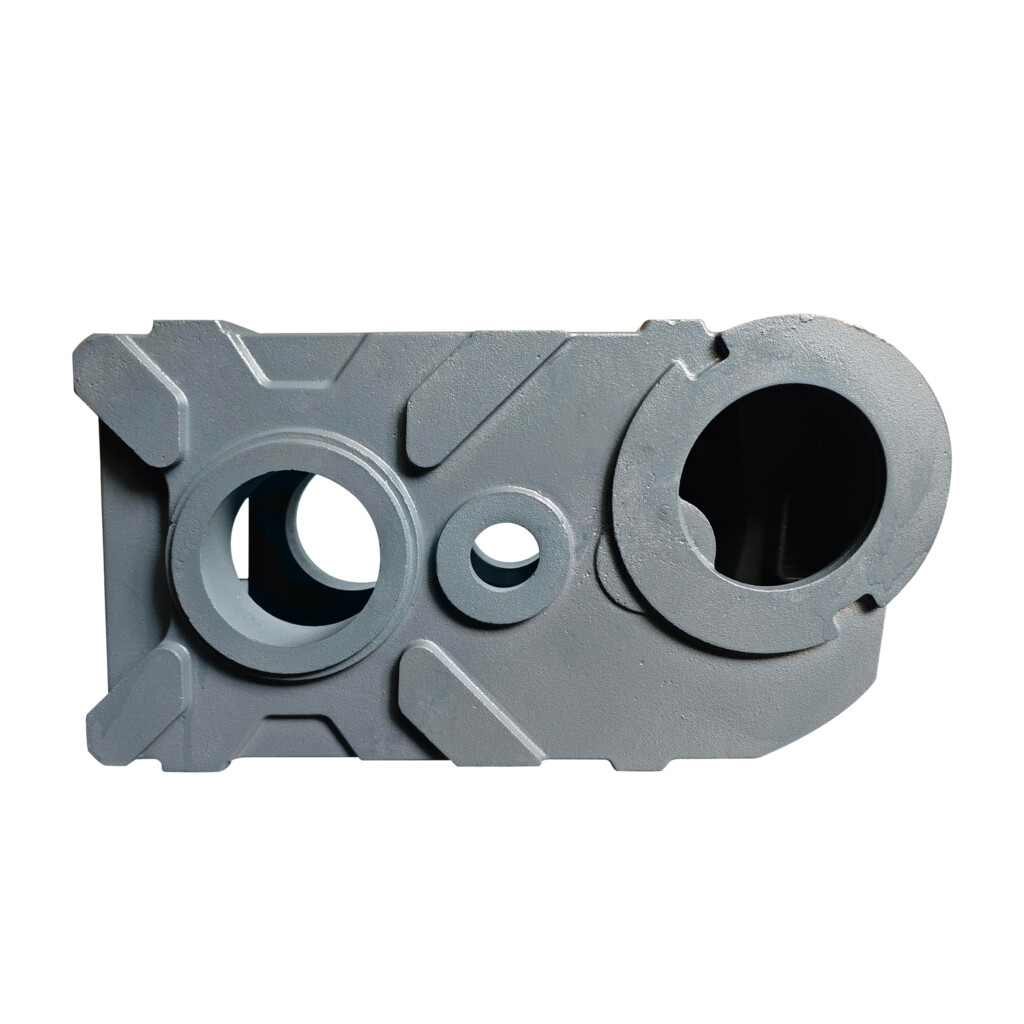
Sample04
Sample01
Sample02
Sample03
Sample04
Castings for Different Valve Types
Different valve designs require different body shapes, closure components and assembly interfaces. We review each casting against the specified valve configuration and service requirements.

Gate Valves
Body, bonnet and wedge castings for suitable gate valve designs, with attention to internal geometry, guide features and assembly connections.
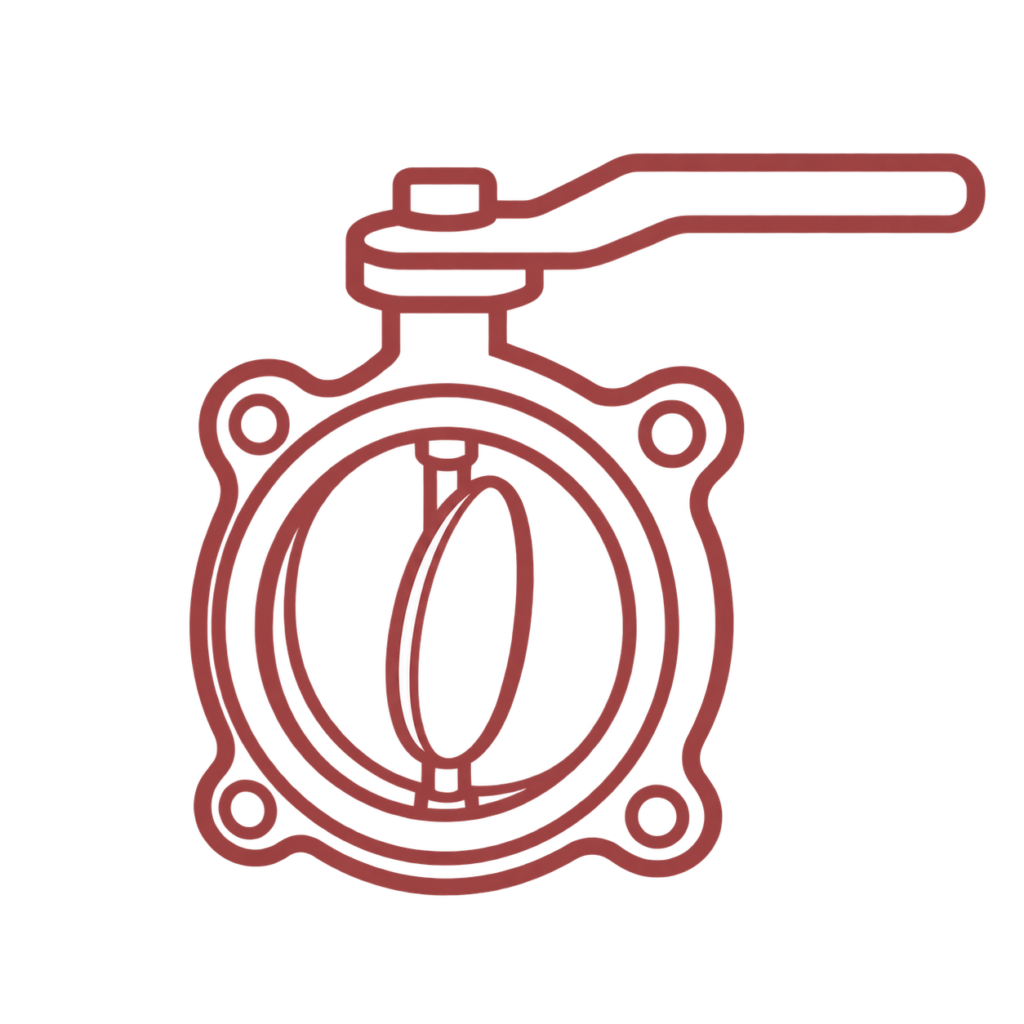
Butterfly Valves
Body and disc castings with defined shaft interfaces, seating geometry and connection features for the specified valve configuration.

Ball Valves
Cast bodies and end caps with internal features, mating surfaces and pipe connections produced according to the assembly design.

Check Valves
Body, cover and disc castings for suitable check valve configurations, with component geometry matched to the intended closing mechanism.
Materials for Valve Castings
Material selection depends on the fluid, design pressure, design temperature, corrosion conditions and valve specification. The required grade, heat treatment and supply availability are confirmed during project review.The components listed are examples. Suitability for a pressure or temperature rating depends on the specified material grade, component design and applicable requirements.
| Material | Selection Considerations | Typical Components | ||||||
| Grey Iron | Good castability and machinability for applications permitted by the valve design and service conditions. | Selected valve bodies, covers and handwheels. | ||||||
| Ductile Iron | A balance of strength and ductility for suitable water and general-service valve designs. | Valve bodies, bonnets, gate wedges and butterfly discs. | ||||||
| Carbon Steel | Material grade and heat treatment selected to meet the specified mechanical properties and service requirements. | Valve bodies, bonnets, end caps and yokes. | ||||||
| Stainless Steel | Corrosion resistance selected according to the specific fluid, temperature and operating environment. | Valve bodies, bonnets, discs and end caps. |
From Cast Shape to Machined Component
The production route is selected according to the material, internal passages, component geometry and order quantity. Casting and machining are considered together to address the shape and functional features of the finished component.
Sand Casting Process
Explore Sand Casting →
Lost Foam Casting Process
An expendable foam pattern forms the casting geometry, offering an option for suitable iron and steel components with complex shapes and integrated features.
Explore Lost Foam Casting →
Shell Casting Process
Rigid molds formed from resin-coated sand help control dimensions and surface finish, supporting repeatable production of suitable components.
Explore Shell Casting →
Investment Casting Process
Wax patterns and ceramic shells reproduce detailed shapes, providing an option for suitable steel components with intricate features and reduced machining allowances.
Explore Investment Casting →
CNC Machining
CNC machining prepares the functional surfaces required for assembly. Tolerances, datums and surface finish requirement are reviewed against the finished-part drawing.
Explore CNC Machining →
Our Main Casting Processes
Inspection to Your Valve Specifications
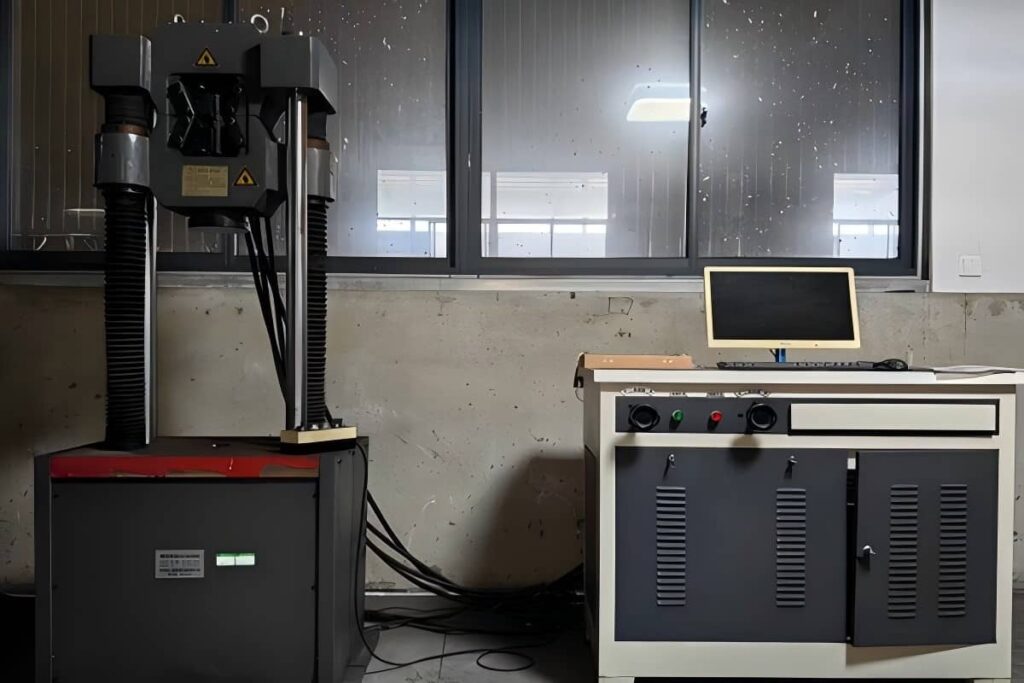
Our inspection capabilities include chemical composition analysis, tensile strength, yield strength, elongation and hardness testing, as well as non-destructive testing. The inspection scope is agreed according to the material grade, component drawing and customer requirements.
Chemical Composition
Chemical analysis checks the alloy composition against the specified material requirements.
Mechanical Properties
Tensile strength, yield strength, elongation and hardness are tested as applicable to the material grade and agreed inspection plan.
Plan Your Valve Casting Project
Clear technical requirements help us review your component and prepare a suitable quotation. Please share the information below when discussing a new project.
Drawing & Operating Conditions
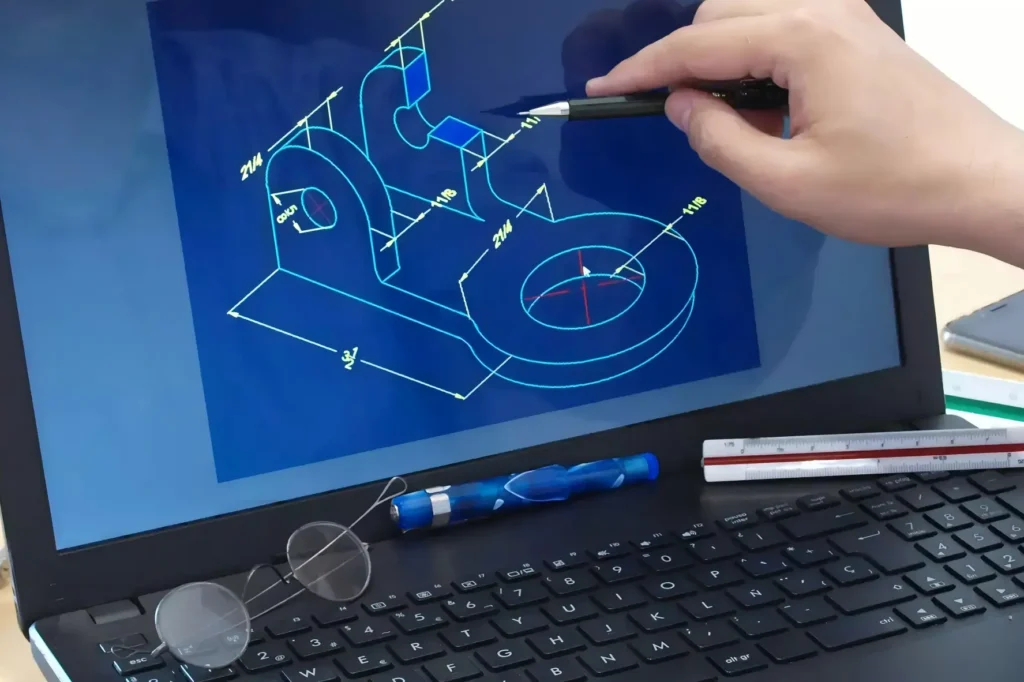
Provide the component drawing, valve type and nominal size. Include the fluid, design pressure and design temperature, together with relevant operating conditions and valve specifications.
Material & Finishing
Specify the material grade, required mechanical properties and any heat treatment, machining or coating requirements. Identify critical sealing surfaces, assembly interfaces and dimensional tolerances.
Discuss Your Valve Casting Project
Send us your drawings, material specification and service requirements. Our team will review the casting, machining and inspection needs of your component.
Valve Casting FAQs
Can you manufacture castings to our valve drawings?
Yes. We review custom valve casting projects based on your component drawings, material specifications and quantity requirements. If machining is required, please include the finished-part drawing with critical dimensions, tolerances and surface finish requirements.
Which material should we specify for our valve components?
Material selection depends on the fluid, design pressure, design temperature, corrosion conditions and applicable valve specification. Share the required material grade and service conditions so that we can review manufacturing suitability and supply availability.
Can you machine sealing and connection features?
Yes. Machining requirements can be reviewed together with casting. Please identify the required flange faces, seat recesses, stem or shaft bores, threaded connections and other functional features on the drawing.
How are pressure and leak testing requirements handled?
Please provide the required test procedure, acceptance criteria and delivery condition. Test feasibility, the stage at which testing is required and responsibility for carrying it out must be confirmed in the agreed supply scope.
Start Your Project Today